
Spinal Pain Conditions
Your spine shouldn't stop you from living your life.
From neck stiffness to persistent back pain and sciatica, spinal pain can quietly take over your daily life. At The Pain Clinic, we take the time to find the root cause — and work with you on a path forward that fits your life.
About spinal pain
Spinal pain is rarely just one thing.
It can show up as stiffness in the neck, a persistent ache in the lower back, shooting pain down the leg, or headaches that won’t go away. The causes are just as varied — and so are the paths to relief. Below are the most common spinal conditions we treat. Select a condition to learn more, or chat with our team if you’re not sure where your pain fits.
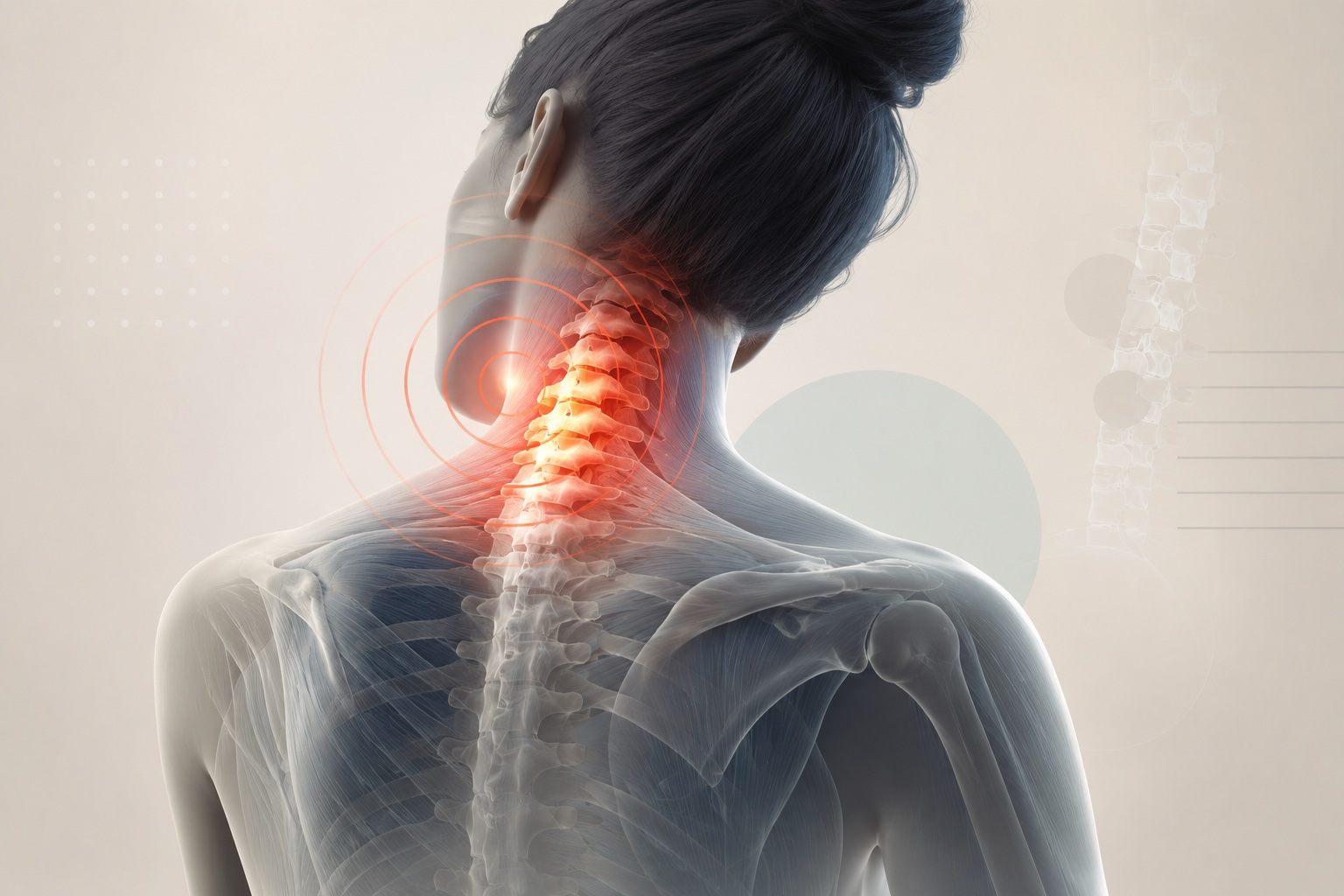
Neck Pain
Neck pain is one of the most common reasons people seek pain specialist care — and one of the most misunderstood. What often starts as stiffness or a dull ache can become hard to ignore when it affects your sleep, your focus, or your ability to look over your shoulder while driving.
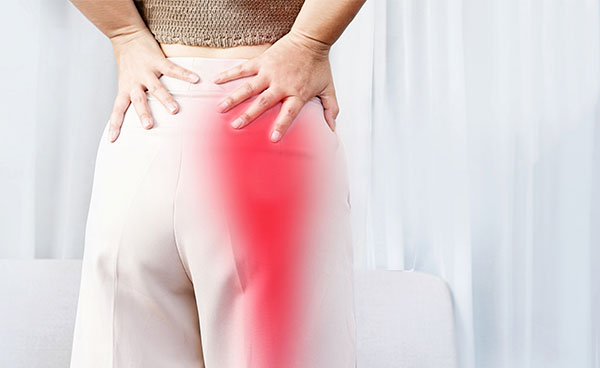
Sciatica Pain
Sciatica pain occurs when the sciatic nerve becomes irritated or compressed, commonly causing lower back pain that radiates into the buttocks, legs or feet. Symptoms may include burning pain, tingling, numbness or muscle weakness affecting mobility and daily activities.
Understanding the possible causes, associated symptoms and available treatment approaches may help patients seek appropriate assessment and management for persistent or worsening sciatica symptoms.

Low Back Pain
Low back pain is one of the leading causes of time off work and disrupted daily life — and it’s something we see every day. Whether your pain came on suddenly after lifting something heavy, or has crept in gradually over the years, it’s worth understanding what’s driving it.

Headaches
Not all headaches are the same — and not all of them originate in the head. Some are driven by tension in the muscles and joints of the neck, others by vascular changes in the brain. Getting the right diagnosis is what makes the difference between ongoing relief and temporary fixes.
Common questions
Before you book
What is the best position to sleep if I suffer from sciatica pain?
For sciatica pain relief during sleep, adopting a foetal position with a pillow between your knees is recommended. This position will help “open up” the spinal canal. Alternatively, lying on your back with a pillow under your knees may also potentially reduce pressure on the sciatic nerve, offering much needed relief.
What triggers a sciatica flare-up?
Common triggers of painful sciatica flare-ups include prolonged sitting, poor sitting or standing posture, heavy lifting, and sudden movements. Stress may also be a contributing factor, as are lifestyle aspects such as being overweight or frequently wearing high heels. Therefore, it is crucial to make relevant lifestyle and posture adjustments that can help prevent future flare-ups.
What is the best form of pain relief for sciatica?
Relief from sciatica pain often combines physical therapy, over-the-counter pain relievers, and the application of hot or cold compresses. Regular physical activity and targeted exercises to strengthen the back and core muscles are crucial for ongoing pain management and prevention. Always consult a qualified medical professional for personalised treatment options.
How can I alleviate my sciatic nerve pain without going through surgery?
To manage sciatic nerve pain non-surgically, a combination of regular exercise, physical therapy, heat or cold therapy, and over-the-counter pain medication may be helpful. It’s also important to avoid activities that worsen the pain and to maintain good posture. Consult a pain management specialist for personalised recommendations of non-surgical treatment options. It is also important to note that in some cases, surgery may be necessary for long-term relief from sciatica pain.
Still have questions?
Reach us by phone, email, or WhatsApp. We typically respond within one business day.