
Neuromodulation Techniques
Neuromodulation Techniques
- Neurostimulation
- Targeted Drug Delivery (Intrathecal Drug Therapy)
Neurostimulation
Neurostimulation uses electricity to stimulate nerves or the spinal cord to block pain signals. It includes spinal cord, dorsal root ganglion and peripheral nerve field stimulation. Electric wires (leads) are surgically placed near painful nerves or next to the spinal cord. An implanted battery (pulse generator) is connected to these leads to stimulate the nerve or spinal cord, in turn blocking the transmission of pain signals to the brain.
Types of Neurostimulation:
- Spinal cord stimulation
- Dorsal root ganglion stimulation
- Peripheral nerve stimulation
- Peripheral nerve field stimulation
- Sacral nerve stimulation
Suitable for:
- Intractable neck pain or low back pain
- Radicular pain or sciatica (shooting pain in the arms or legs)
- Chronic neuropathic (nerve) pain after surgery
- Occipital neuralgia
- Complex regional pain syndrome
- Phantom limb pain
- Angina (heart-related chest pain)
- Persistent spinal pain syndrome
- Chronic pelvic pain syndrome
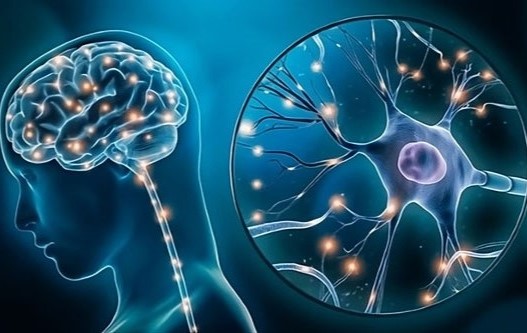
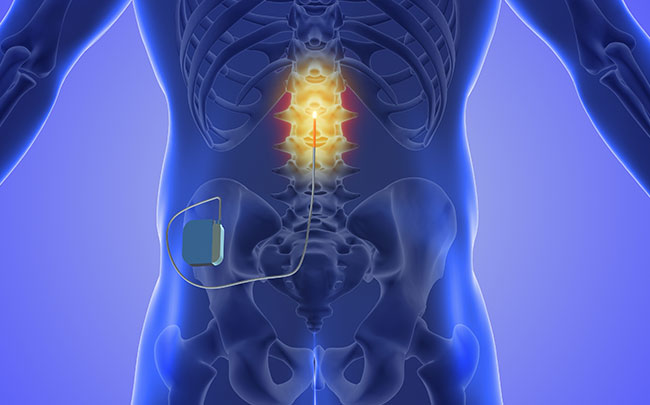
Learn more about how neurostimulation can help manage chronic pain conditions through targeted electrical stimulation of the nerves or spinal cord. This innovative therapy offers relief for patients suffering from conditions such as sciatica, complex regional pain syndrome, and persistent spinal pain. Watch the video below for an in-depth overview of how neurostimulation works and its potential benefits.
Explore our services
Discover our specialised services for pain relief


About Disc Decompression Therapy
- Herniated Disc (Slipped Disc): Individuals with herniated discs, where the disc material protrudes and compresses the nerve, can benefit from these procedures. By precisely removing the problematic disc material by disc decompression (nucleoplasty), the pressure on the nerve will be relieved, leading to pain reduction and improved functionality.
- Sciatica: Sciatica, often due to a pinched sciatic nerve from lumbar spine disorders, manifests as pain or numbness along the nerve path. Treatment focuses on easing this nerve compression, aiming to reduce pain and improve functionality.
- Discogenic Pain: Discogenic pain, stemming from neck or low back issues related to intervertebral discs, can be addressed through biacuplasty or annuloplasty.
Potential advantages of disc decompression or ablation include:
- Minimally Invasive Approach: Smaller incisions typically lead to potentially faster recovery times compared to traditional open surgery.
- Pain Relief: These methods aim to alleviate pain of the spine by addressing its root causes, such as reducing nerve compression or targeting pain-signalling pathways, though results can vary.
- Quicker Recovery: The less invasive nature of these treatments often allows for a quicker return to daily activities, but recovery time can differ from patient to patient.
- Reduced Risk of Complications: Generally, these techniques have a lower risk of complications and less scarring than more invasive surgeries, but like all medical procedures, they carry some risk.
- Improved Functionality and Mobility: While many patients experience improved mobility and functionality, the extent of improvement depends on individual circumstances.
- Potential for Reduced Long-Term Medication Use: Effective management of spinal issues may decrease the need for ongoing pain medication, but this varies based on the specific treatment and patient response.
Disc decompression such as nucleoplasty, and disc ablation such as biacuplasty or annuloplasty, involve the following steps:
- Diagnosis and Evaluation: A comprehensive assessment to determine the suitability of the procedure based on one’s condition and medical history.
- Anaesthesia: Local anaesthesia or sedation is administered to ensure comfort.
- Disc Material Removal: Specialised needles are used to remove problematic disc material, reducing pressure on the affected nerve.
- Radiofrequency Ablation: If the disc is a source of pain, radiofrequency ablation is performed to destroy pain-signalling nerves.
- Recovery and Follow-Up: Monitored in a recovery area with specific post-procedure instructions and scheduled follow-up appointments.
- Response to Non-Surgical Treatments: An assessment of how your condition has reacted to less invasive approaches, such as medications, steroid injections, or physical therapy.
- Symptom Severity: The extent of persistent symptoms like pain, numbness, or tingling, especially if these have not improved with conservative treatments.
- Diagnostic Confirmation: The use of MRI or CT scans to identify specific conditions like herniated discs, sciatica, or discogenic pain that might benefit from these procedures.
- Medical History Review: An examination of your overall health history, focusing on any potential risks or contraindications, like active infections or bleeding disorders.
- Specialist Consultation: Engaging with a pain medicine specialist or a spine surgeon to discuss the potential benefits and risks, tailored to your specific case.
After undergoing a disc decompression or ablation treatment, patients typically encounter the following:
- Mild Discomfort: It’s common to feel some soreness at the puncture site.
- Activity Restrictions: Limiting strenuous physical activities for a period, usually a few weeks, is often recommended.
- Pain Assessment and Medication Adjustment: Pain relief and recovery progress are regularly assessed, potentially leading to changes in medication.
- Follow-Up Appointments: These are crucial for monitoring recovery and adjusting treatment plans.
- Physiotherapy: Engaging in specialised exercises may be advised to enhance mobility and strength in affected areas.
Insurance & payment
Accepted Insurance Providers
We work directly with your insurance provider to process claims. You pay only the remainder — we handle the paperwork.
Not sure if your plan is covered? Contact us











Common questions
Before you book
What is disc decompression?
Disc decompression is a treatment that is used to alleviate pressure and/or pain on the spinal disc or nerve. This pressure may result from conditions such as a herniated disc, bulging disc, or degenerative disc disease. The decompression process is non-invasive and employs a negative pressure within the disc to draw back or realign the disc material causing discomfort. A device that precisely reduces the size of the disc is used in the procedure, reducing pain and fostering optimal conditions for healing.
Does the disc decompression treatment hurt?
Disc decompression treatments generally do not cause pain. Many patients experience a mild stretching sensation or minor pressure during the procedure, but not discomfort or pain. As it’s a minimally invasive procedure, there are no incisions involved, and it’s commonly performed as an outpatient procedure. The primary objective of the treatment is to alleviate pain, not to inflict it. However, experiences can vary among individuals, and any discomfort should be reported to the medical team.
What is the typical timeline for improvement after undergoing a disc decompression or ablation treatment?
The time frame to observe improvement varies widely among patients. Some individuals might start experiencing relief from symptoms within a few days or weeks post-procedure. However, for others, it may take a few months of slow and steady recovery to attain the full benefit of the procedure. The recovery time can be influenced by factors such as the severity of the disc issue, the overall health condition of the patient, and the degree of adherence to the post-procedure care plan. This care plan often encompasses physical therapy and lifestyle modifications. It’s crucial to have a detailed discussion with your pain management specialist to set realistic expectations for recovery.
Still have questions?
Reach us by phone, email, or WhatsApp. We typically respond within one business day.