
- Condition
- Cancer Pain
Cancer Pain: Causes, Symptoms & Treatment Options
Cancer pain may arise from the cancer itself, treatment-related effects or associated nerve, bone and soft tissue involvement. Symptoms can vary from mild discomfort to persistent or severe pain affecting mobility, sleep, appetite and daily activities. Understanding the different types of cancer pain, possible causes and available pain management approaches may help patients and caregivers make informed decisions about supportive care and symptom management.
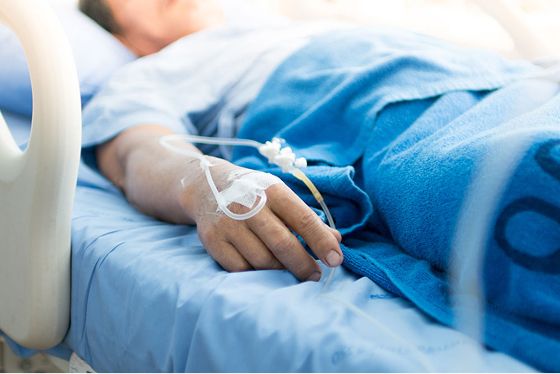
Concerned About Unmanaged Cancer Pain?
Do not wait for your pain to become severe before speaking up. If you notice any new or worsening pain, reach out to your cancer care team right away. It is always best to let them know early so they can help you stay comfortable. You should also seek medical advice if your current treatments are no longer keeping the pain under control, if the discomfort makes it hard to eat, sleep, or enjoy daily life, or if your medication side effects are becoming too difficult to handle.
Please seek urgent medical care if you experience sudden, severe, or rapidly worsening pain, especially if it comes with new nerve-related changes like weakness, numbness, or a sudden loss of bladder or bowel control. An early check-up allows your dedicated care team to find out exactly what is causing these changes and quickly adjust your pain treatment to give you the relief and support.
Understanding Cancer Pain
How Is Cancer Pain Defined?
Cancer pain refers to pain caused by cancer itself or by its treatment. It can vary in intensity, duration, and type depending on the cancer’s location, stage, and treatment effects. Some cancer patients experience mild, intermittent pain, while others suffer from severe, chronic pain that affects their quality of life.
What Causes Cancer Pain?
Tumour Pressure on Surrounding Structures
Cancer pain may occur when a tumour presses against nerves, bones, organs or surrounding soft tissues. This can lead to localised pain, nerve-related symptoms or reduced mobility depending on the affected area.
Bone Involvement
Certain cancers may spread to the bones or weaken bone structures, contributing to persistent aching pain, tenderness or movement-related discomfort.
Nerve Compression or Nerve Damage
Cancer-related nerve involvement may cause burning pain, tingling, numbness or shooting sensations. Nerve pain can occur when tumours compress nearby nerves or affect the spinal cord.
Inflammation & Tissue Damage
Inflammation caused by cancer or surrounding tissue irritation may contribute to ongoing discomfort, swelling and sensitivity in the affected region.
Cancer Treatment-Related Pain
Some patients may experience pain associated with surgery, chemotherapy, radiotherapy or other cancer treatments. Symptoms may include nerve pain, muscle discomfort or treatment-related sensitivity.
Reduced Mobility & Muscle Deconditioning
Fatigue, prolonged inactivity and reduced physical movement during cancer treatment may contribute to muscle stiffness, joint discomfort and worsening pain symptoms over time.
How Common Is Cancer Pain Among Patients?
Cancer pain is a very common challenge, though it affects everyone differently depending on the stage of the illness and the treatments being received. Research shared by the U.S. National Cancer Institute shows that pain affects roughly 20% to 50% of people during their cancer journey, and can become moderate to severe for about 80% of those with advanced cancer.
This discomfort can happen while you are undergoing active treatments, during your recovery, or as the condition progresses, frequently making it much harder to sleep, move around, eat well, or simply enjoy daily life. Because every person’s experience and pain triggers are completely unique, getting an early medical check-up is the best way to pinpoint the exact source of your pain so your healthcare team can create a personalised, deeply supportive comfort plan.
Is There a Difference Between Acute and Chronic Cancer Pain?
Cancer pain is much more than just a short-term or long-term issue; it has distinct patterns and triggers that tell us exactly how to treat it.
For instance, acute pain can come on very suddenly due to a recent surgery, a medical test, or a treatment side effect, but it typically improves as your body heals or as the underlying cause is managed.
On the other hand, chronic or persistent cancer pain stays with you over a longer period. This type of pain might be caused by the cancer itself, nerve pressure, or bone changes, and it can stay at a steady level or fluctuate throughout your day.
Many patients also experience breakthrough pain, which is a sudden, temporary spike of intense discomfort that breaks through even when your usual daily pain medications are working well. A specific type of breakthrough pain is incidental pain, which is directly triggered by an everyday activity or movement, such as walking, coughing, or simply changing positions in bed.
By closely tracking and recognising these specific pain patterns, you help your medical team understand exactly what is happening in your body so they can tailor a highly precise, effective pain management plan just for you.
How Does Cancer Pain Affect Your Daily Life?
Cancer pain may affect daily activities, mobility, sleep and overall physical comfort. Some patients experience difficulty walking, sitting for prolonged periods, carrying out routine tasks or maintaining regular eating and sleeping patterns due to ongoing discomfort.
Persistent pain may also contribute to fatigue, reduced physical activity and emotional stress over time. Depending on the location and severity of the pain, symptoms may affect independence, concentration and overall quality of life during cancer treatment and recovery.
How Do Cancer Pain Symptoms Vary Between Individuals?
Cancer pain symptoms can vary depending on the type of cancer, stage of the condition, areas affected and individual response to treatment. Some patients may experience mild aching discomfort, while others develop persistent, severe or nerve-related pain.
Symptoms may include sharp pain, burning sensations, bone pain, muscle discomfort, numbness or radiating pain affecting different parts of the body. Pain intensity may also fluctuate throughout the day or worsen during movement, treatment or periods of fatigue.
Symptoms
Common Symptoms Associated With Cancer Pain
Cancer pain symptoms can vary depending on the type of cancer, affected area and underlying cause of pain. Recognising common symptoms may help patients and caregivers better understand when supportive pain assessment and management may be beneficial.
Persistent Aching or Localised Pain
Some patients experience ongoing aching, pressure or discomfort affecting a specific part of the body. The pain may remain constant or gradually worsen over time.
Burning, Shooting or Nerve-Related Pain
Cancer-related nerve involvement may cause burning sensations, sharp shooting pain, tingling or numbness. These symptoms may occur when nerves are irritated, compressed or damaged.
Bone Pain & Movement-Related Discomfort
Cancer affecting the bones may contribute to deep aching pain, tenderness or discomfort that worsens during movement, standing or physical activity.
Muscle Weakness & Reduced Mobility
Persistent pain may lead to reduced physical activity, muscle weakness or difficulty carrying out routine movements such as walking, climbing stairs or changing positions comfortably.
Sleep Disturbance & Fatigue
Ongoing cancer pain may interfere with sleep quality and contribute to fatigue, reduced energy levels and difficulty concentrating during daily activities.
Pain Flare-Ups During Treatment or Daily Activities
Some patients experience temporary worsening of pain during cancer treatment, prolonged movement, coughing or certain physical activities depending on the affected area.
When To Assess
When Should Cancer Pain Be Medically Assessed?
Cancer pain should be medically assessed when symptoms become persistent, worsen over time or begin affecting daily comfort and function. Early evaluation may help identify contributing causes and support timely pain management planning.
Persistent or Worsening Pain
Pain that continues despite rest, medications or supportive care measures may require further medical review, especially if symptoms progressively worsen.
Sudden Changes in Pain Severity
A sudden increase in pain intensity or the development of new pain symptoms may sometimes indicate changes requiring prompt assessment.
Numbness, Weakness or Nerve-Related Symptoms
Cancer pain associated with numbness, tingling, weakness or difficulty walking may suggest nerve or spinal involvement and should be evaluated medically.
Pain Affecting Sleep or Daily Activities
Pain that interferes with sleep, appetite, mobility or routine daily activities may affect overall wellbeing and quality of life over time.
Pain During or After Cancer Treatment
Some patients may develop pain related to surgery, chemotherapy, radiotherapy or other treatments. Persistent treatment-related pain should be discussed with a healthcare professional.
Difficulty Managing Pain Symptoms at Home
Medical assessment may be helpful when current pain management strategies no longer provide adequate symptom control or when side effects from medications become difficult to manage.


How We Assess
How Is Cancer Pain Assessed?
Cancer pain assessment typically involves understanding the location, severity and pattern of symptoms, together with reviewing the patient’s medical history, cancer diagnosis and treatment background. Assessment helps guide supportive pain management and identify possible contributing causes.
Assessing Cancer Pain Severity
To help you clearly describe what you are going through, we often use a simple 0–10 pain scale, where 0 means you feel no pain at all and 10 represents the most severe pain imaginable. To help guide your care, these scores are gently grouped into mild pain (1–3), moderate pain (4–6), and severe pain (7–10).
However, we know that a single number cannot capture your whole experience. That is why your healthcare team looks at the bigger picture by evaluating exactly where the pain is located, how long it lasts, what the sensation feels like, and what makes it better or worse. Most importantly, we closely look at how this discomfort impacts your meaningful daily routines, such as your sleep, your ability to move comfortably, and your overall quality of life.
Review of Pain Symptoms & Medical History
Doctors may assess when the pain started, where it occurs, how severe it feels and whether symptoms are constant or intermittent. Previous cancer treatments, medications and existing medical conditions may also be reviewed.
Identifying the Type of Cancer Pain
Cancer pain may arise from nerve involvement, bone-related pain, inflammation or treatment-related effects. Identifying the type of pain may help guide suitable management approaches.
Physical Examination
A physical examination may help assess tenderness, mobility, muscle strength, nerve function or areas affected by swelling and discomfort.
Imaging & Diagnostic Investigations
Depending on the symptoms, imaging such as X-rays, CT scans or MRI scans may sometimes be recommended to evaluate possible tumour involvement, bone changes or nerve compression.
Assessment of Daily Function & Quality of Life
Pain assessment may also include understanding how symptoms affect sleep, mobility, appetite, emotional wellbeing and daily activities.
Ongoing Monitoring of Cancer Pain
Cancer pain symptoms may change over time due to treatment response or progression of the condition. Regular follow-up may help monitor symptom patterns and support adjustments to the pain management plan where appropriate.
Our approach
Conservative Approaches for Cancer Pain Treatment
Cancer pain management often involves a combination of supportive care strategies tailored to the patient’s symptoms, underlying condition and treatment goals. Conservative approaches may help improve comfort, mobility and overall quality of life alongside ongoing cancer care.
Pain Relief Medications
Medications may be used to help manage different types of cancer pain, including inflammatory pain, nerve-related pain and breakthrough pain. Treatment plans are typically adjusted based on symptom severity and individual response.
Physiotherapy & Supportive Rehabilitation
Gentle movement, physiotherapy and rehabilitation programmes may help maintain mobility, reduce stiffness and support physical function during cancer treatment and recovery.
Activity Modification & Energy Conservation
Adjusting daily activities and balancing rest with movement may help reduce strain, fatigue and pain flare-ups during periods of active treatment or recovery.
Psychological & Emotional Support
Persistent cancer pain may affect emotional wellbeing, sleep and stress levels. Supportive counselling, relaxation strategies and multidisciplinary care may form part of long-term symptom management.
Radiofrequency Ablation
Radiofrequency ablation is an interventional pain management technique that may be considered in selected cases of persistent cancer-related pain. The procedure uses controlled heat energy to target specific pain-transmitting nerves under image guidance.
Ongoing Monitoring & Symptom Management
Cancer pain symptoms may change over time depending on treatment response and disease progression. Regular medical review may help guide adjustments to supportive care and pain management strategies where appropriate.

how we can help
Interventional Cancer Pain Management Options
For some patients, interventional pain management techniques may be considered when cancer pain remains difficult to control with medications or supportive care alone. These procedures are typically selected based on the type of pain, affected area and overall treatment goals.
Nerve Blocks
Nerve block procedures may help manage cancer-related pain by delivering medication around specific nerves involved in pain transmission. These procedures may be considered for localised or nerve-related pain symptoms.
Epidural Pain Management Procedures
Epidural injections or catheter-based pain management approaches may sometimes be used to help manage severe spine, nerve or lower body pain associated with cancer.
Radiofrequency Ablation
Radiofrequency ablation uses controlled heat energy to target selected pain-transmitting nerves under imaging guidance. This approach may be considered in certain cases of persistent cancer-related pain.
Intrathecal Pain Therapy
Intrathecal pain management involves delivering medication directly around the spinal fluid through specialised systems in selected patients with complex or difficult-to-manage pain symptoms.
Image-Guided Pain Procedures
Interventional cancer pain procedures are commonly performed using imaging guidance, such as ultrasound or fluoroscopy, to support procedural accuracy and treatment planning.
Multidisciplinary Cancer Pain Management
Interventional procedures are often considered alongside medications, rehabilitation and supportive cancer care as part of a broader multidisciplinary pain management approach.
Long term pain management
Managing Cancer Pain Over the Long Term
Long-term cancer pain management often involves ongoing monitoring, supportive care and adjustments to treatment strategies based on the patient’s symptoms and overall condition. Pain levels may change during different stages of cancer treatment and recovery, requiring a personalised and multidisciplinary approach to symptom management.
In addition to medical treatment, long-term care may include rehabilitation, mobility support, emotional wellbeing support and strategies to improve daily comfort and quality of life. Regular follow-up and early attention to changing symptoms may help patients and caregivers better manage persistent or recurring cancer-related pain over time.

Common questions
Frequently Asked Questions About Cancer Pain in Singapore
What does cancer pain feel like?
Cancer pain may be dull, aching, sharp, or burning. The intensity can range from mild to severe and may be constant or intermittent. The level of pain you experience depends on several factors, such as the type and stage of your cancer, its location, and your individual pain tolerance.
Does pain from cancer come and go?
Some pain may be intermittent, occurring at certain times or triggered by specific activities, while other pain may be constant. Breakthrough pain-sudden, severe episodes of pain can also occur, even when your overall pain is well-managed.
If you experience recurring or unpredictable pain, consult your healthcare team for proper cancer pain management strategies.
Does cancer pain get progressively worse?
Many people with cancer do not experience pain, as cancer itself does not contain nerves. Pain usually occurs when a tumour presses on nearby nerves or tissues.
With appropriate treatment, cancer pain can be managed, allowing patients comfort while sitting or lying down.
Which cancer has the worst pain?
There is no definite answer as to what cancer may cause the worst type of pain. However, one analysis of cancer pain has shown that pancreatic cancer could cause the most pain, and 72% of pancreatic cancer patients are reported to experience pain symptoms.
What if I still experience pain after taking painkillers?
For some cancer patients, pain may persist even after the administration of painkillers, especially in cases of advanced cancer. This situation can occur when the cancer has spread extensively or has affected the nervous system. In such scenarios, stronger or alternative pain management methods may be required.
One such method is intrathecal drug delivery. This procedure involves minor surgery to implant a drug reservoir that delivers pain medication directly into the spinal fluid to provide additional pain relief. This method is used under strict medical supervision and is considered for patients with complex pain management needs.
When should cancer pain be assessed urgently?
Please seek prompt medical assessment if you notice any new pain, if your discomfort suddenly becomes much more severe, if the sensation changes noticeably, or if your prescribed treatments are no longer keeping you comfortable. It is absolutely vital to get urgent medical attention if severe pain is accompanied by new weakness, numbness, difficulty walking, or sudden changes in your bladder or bowel control. These symptoms can be warning signs of serious nerve or spinal complications that require immediate medical evaluation to protect your well-being.
Still have questions?
Reach us by phone, email, or WhatsApp. We typically respond within one business day.