
- Services
- Disc Decompression
Disc Decompression Treatment in Singapore
Disc decompression therapy is intended to reduce the size of a disc to relieve pressure on spinal nerves. Disc decompression may be considered for conditions such as bulging, herniated or degenerative discs, particularly when nerve compression contributes to back, neck or radiating pain. Suitability depends on the underlying disc condition, symptoms, imaging findings and individual clinical assessment.
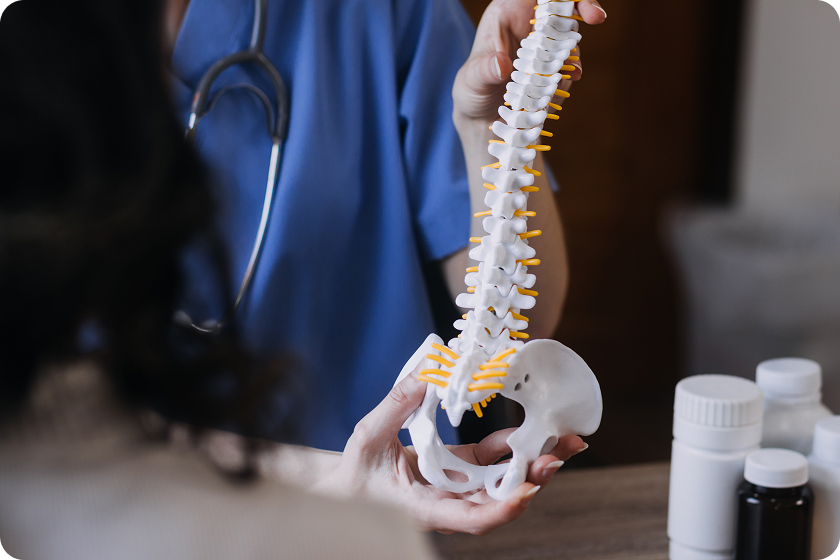
Disc Decompression Treatment by Our Specialist Doctor Singapore
At The Pain Clinic, we begin by assessing your symptoms, medical history and relevant imaging findings to understand the possible source of back, neck or nerve-related pain. Disc decompression will be considered for suitable patients.
Dr Ho Kok Yuen, Consultant Pain Specialist and Anaesthesiologist, has expertise in interventional pain management and the assessment and treatment of spinal and nerve-related pain. His approach combines careful diagnosis with individualised treatment planning to determine whether conservative care or minimally invasive pain procedures may be suitable.
Nucleoplasty
A targeted approach for issues in the nucleus pulposus, the disc’s centre. It involves removing part of the disc material to reduce pressure on nerves, especially beneficial for bulging or contained herniated discs.
Percutaneous Discectomy
The Disc-FX procedure is a minimally invasive discectomy procedure for contained disc herniations. The herniated nucleus is manually removed, and an annuloplasty can be performed concurrently to treat annular tears.
What Is Disc Decompression?
The Mechanism Behind Disc Decompression
Spinal decompression therapy is a non-surgical treatment approach aimed at reducing pressure affecting the spinal discs and nearby nerves. The therapy involves controlled spinal stretching and decompression techniques that may help reduce stress on affected spinal structures associated with disc-related pain conditions.
Conditions Addressed by Disc Decompression
Disc decompression may be considered for selected patients with slipped or bulging discs, sciatica, nerve-related leg pain, lower back pain, neck pain or degenerative disc changes. Whether decompression treatment is appropriate depends on the location and severity of symptoms, the underlying disc condition, relevant imaging findings and the patient’s overall clinical assessment.
Disc Decompression vs Other Decompression Treatments
Disc decompression is one of several spinal pain treatments, each varying in goals and invasiveness. Physiotherapy focuses on movement and strength, medication manages symptoms, and injections target nerve inflammation. For severe cases, surgical decompression can operatively relieve neural pressure. The best approach depends on your condition, symptom severity, neurological findings, imaging, and previous treatment history.
Who Is Disc Decompression Suitable For?
Conditions That Can Be Treated
Disc decompression treats herniated discs, degenerative changes, sciatica, and nerve compression. A clinical assessment and imaging are required to confirm the diagnosis and determine patient eligibility.
Ideal Candidates for Disc Decompression
Patients with persistent back, neck, or radiating pain, numbness, and tingling may be candidates for disc decompression. Suitability depends on clinical findings and imaging that confirm a disc condition is pressing on nearby nerves, alongside symptom severity and patterns.
Contraindications and Patient Exclusions
Disc decompression is not suitable for everyone. Conditions such as spinal fractures, severe instability, infections, advanced osteoporosis, tumours, or other complex medical issues require a different approach. Suitability is always determined through an individual assessment of your spinal condition, symptoms, imaging, and overall health.
Suitability for Older Patients
Older patients with spinal degeneration or persistent disc symptoms may be candidates for disc decompression, depending on their spinal health, mobility, and medical condition. Suitability is determined through a clinical assessment and relevant imaging. Contact our clinic to learn more about your treatment options.
What to Expect During Disc Decompression Treatment
Your First Session
The initial session typically involves reviewing symptoms, medical history and spinal assessment findings to determine whether spinal decompression therapy may be appropriate for the patient’s condition and treatment goals.
Session Duration
Treatment sessions generally take a short period of time depending on the area being treated, severity of symptoms and individual treatment plan recommended by the healthcare provider.
Sensations During Disc Decompression Treatment
During disc decompression therapy, patients may experience a gentle stretching or pulling sensation along the spine. Treatment is typically adjusted according to patient comfort and clinical assessment findings.


Benefits of Disc Decompression Treatment
Key Clinical Benefits of Disc Decompression
Disc decompression can reduce pressure on affected discs and nearby nerves, easing back, neck, or nerve pain. Depending on your individual response, this treatment can decrease discomfort, support mobility, and improve daily function as part of a broader pain management plan.
Expected Timeline for Relief
Individual responses to disc decompression vary based on symptom severity, duration, and the underlying condition. Some patients experience gradual improvement over multiple sessions, while others require ongoing rehabilitation or additional treatments for persistent symptoms.
Long-Term Outcomes and Sustainability
Long-term symptom management may also involve posture correction, strengthening exercises, physiotherapy and activity modification alongside disc decompression therapy. Ongoing spinal care and lifestyle adjustments may help support long-term back and neck health depending on the patient’s condition.
Disc Decompression Treatment at Our Clinic
Our Clinical Approach to Disc Decompression
At The Pain Clinic, disc decompression is part of an evidence-based, tailored pain management approach. Your treatment plan is guided by clinical assessments, relevant imaging, and personal goals to ensure decompression is suitable for you.
Personalised Decompression Treatment Planning
Each patient may experience different spinal, disc or nerve-related symptoms. Treatment recommendations are individualised based on factors such as symptom severity, imaging findings, mobility limitations and response to previous conservative treatments.
Preparing for Your First Session
Patients may be advised to bring relevant medical records, imaging scans or previous treatment information during the initial consultation. Comfortable clothing and a discussion of current symptoms may help support assessment and treatment planning during the first session.
Frequently Asked Questions About Disc Decompression Therapy in Singapore
What Conditions Can Disc Decompression Treat?
Disc decompression treats specific disc-related issues and associated nerve compression, including bulging, herniated, or degenerative discs, sciatica, and back or neck pain. A pain specialist can evaluate your symptoms to determine if this treatment is right for you.
Does the disc decompression treatment hurt?
Disc decompression treatments generally do not cause pain as it is a minimally invasive procedure with small incisions involved under local anaesthesia. Many patients experience a mild stretching sensation or minor pressure during the procedure but not discomfort or pain.
What is the typical timeline for improvement after undergoing disc decompression?
The time frame to observe improvement varies widely among patients. Some individuals might start experiencing relief from symptoms within a few days or weeks post-procedure. However, for others, it may take a few months of slow and steady recovery to attain the full benefit of the procedure.
What Is the Difference Between Disc Decompression and Chiropractic Treatment?
Disc decompression focuses on reducing pressure affecting spinal discs and nearby nerves through controlled decompression techniques. It may be considered for disc-related spinal conditions such as slipped discs, nerve compression and radiating pain symptoms.
The suitability of disc decompression depends on the patient’s symptoms, underlying spinal condition and overall clinical assessment.
Still have questions?
Reach us by phone, email, or WhatsApp. We typically respond within one business day.