- Condition
- Spinal pain
Headaches

About Headaches
What causes headaches?
There are many causes of headaches. When headaches persist, it is important to exclude sinister causes including encephalitis, meningitis, tumours and stroke. Other causes may include tension headache, migraine, cluster headache and cervicogenic headache.
Can headaches be treated without medications?
Migraine that is not responding to oral medication may respond to Botulinum toxin injections of the muscles of the face, head and neck.
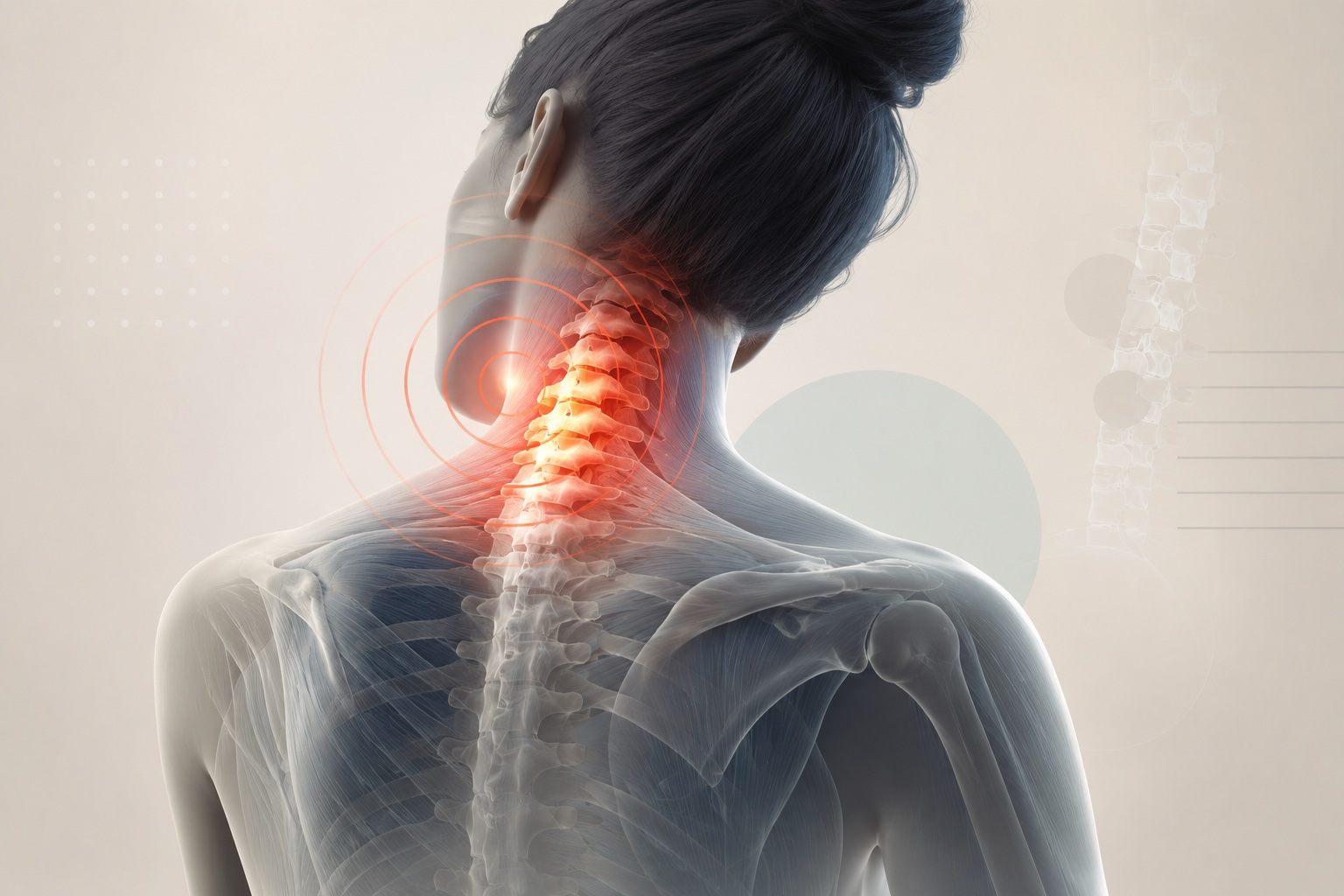
Cervicogenic headaches arise because of abnormalities in the neck or cervical spine. Steroid injections or nerve blocks of the cervical facet joints or radiofrequency ablation of the nerve supply to the facet joints may help relieve cervicogenic headaches.
Common questions
Before you book
What are the different types of headaches?
Common types include tension headaches, migraines, cluster headaches, sinus headaches, and cervicogenic headaches, each with distinct triggers and symptoms.
What triggers frequent headaches?
Triggers vary but often include stress, dehydration, poor posture, sleep disturbances, certain foods, and underlying medical conditions such as nerve irritation or muscle tension.
When should I seek medical help for headaches?
You should seek medical attention if you experience frequent or severe headaches, headaches with neurological symptoms (vision changes, weakness, confusion), or headaches that worsen over time.
How are chronic headaches treated?
Treatment may involve lifestyle modifications, medication, nerve blocks, physiotherapy, and stress management techniques to reduce headache frequency and intensity.
Can poor posture cause headaches?
Yes, poor posture can strain neck and shoulder muscles, leading to tension headaches or cervicogenic headaches. Proper ergonomics and stretching exercises can help prevent posture-related headaches.
Still have questions?
Reach us by phone, email, or WhatsApp. We typically respond within one business day.