
- Condition
- Neck Pain
Neck Pain: Causes, Symptoms & Treatment Options
Neck pain may develop from muscle strain, poor posture, nerve irritation, spinal conditions or age-related changes affecting the cervical spine. Symptoms can range from localised stiffness and discomfort to headaches, shoulder pain, numbness or reduced mobility. Understanding the possible causes, associated symptoms and available management approaches can help patients seek appropriate assessment and care for persistent or worsening neck pain.
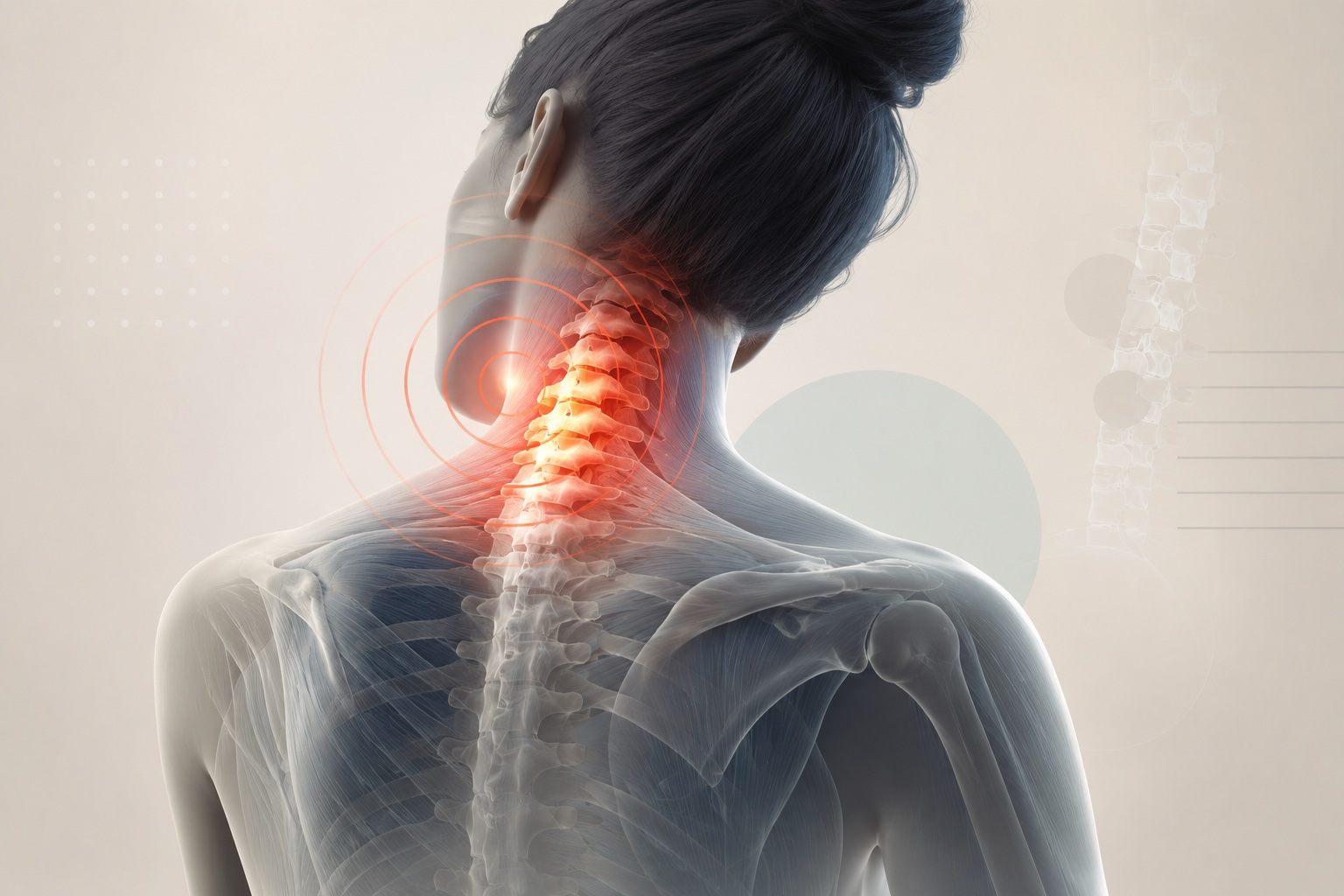
Concerned About Persistent Neck Pain Symptoms?
Neck pain that affects movement, sleep, work, or daily activities may benefit from further assessment to better understand possible underlying causes and available management approaches.
Understanding Neck Pain
How is neck pain defined?
Neck pain refers to discomfort, stiffness or soreness affecting the cervical spine region, which includes the muscles, joints, nerves and surrounding soft tissues of the neck. It may develop suddenly after strain or injury, or gradually over time due to posture-related stress, degenerative changes or underlying medical conditions. Depending on the cause, neck pain may remain localised or radiate to the shoulders, arms or upper back, sometimes affecting movement and daily activities.
What causes neck pain?
Neck pain can arise from different structures within the cervical spine, including the muscles, ligaments, facet joints, spinal discs and surrounding nerves. The symptoms experienced may vary depending on the underlying cause and severity of the condition.
Overuse, poor posture, prolonged desk work and sudden movements may strain the muscles and ligaments supporting the neck. This can lead to stiffness, soreness and reduced range of motion.
Facet Joint-Related Neck Pain
Facet joints are the small joints located between the vertebrae of the spine. Inflammation, irritation or degeneration affecting these joints may contribute to localised neck pain, stiffness and headaches, especially during movement.
Slipped Disc (Discogenic Neck Pain)
A slipped or prolapsed cervical disc occurs when the spinal disc places pressure on nearby nerves. Besides neck pain, this may cause symptoms such as numbness, tingling, weakness or radiating pain extending into the shoulders, arms or hands.
Whiplash Injury
Whiplash is a neck injury commonly associated with sudden forceful movements of the head, such as during motor vehicle accidents or falls. Symptoms may include neck pain, muscle tightness, headaches, dizziness and reduced neck mobility.
Age-Related Degeneration
Degenerative changes affecting the cervical spine may develop gradually with age. Wear and tear involving the spinal discs, joints and surrounding structures can contribute to chronic neck pain, stiffness and nerve-related symptoms.
Posture & Ergonomic Factors
Poor workplace ergonomics, prolonged screen use and unsuitable sleeping posture may place repeated stress on the neck over time. These factors can contribute to ongoing muscle tension and worsen existing neck pain symptoms.
How common is neck pain in Singapore?
Neck pain is a common musculoskeletal concern in Singapore, especially among individuals who spend long hours at desks, use digital devices frequently or work in positions that place repeated strain on the neck. While many cases may be related to posture, muscle strain or workplace ergonomics, persistent or radiating neck pain may require medical assessment to identify possible nerve, joint or spinal disc involvement.
Is There a Difference Between Acute and Chronic Neck Pain?
Acute neck pain typically develops suddenly and lasts for a short period, often following muscle strain, poor sleeping posture, sudden movement or minor injury. Symptoms may improve with rest, activity modification and conservative care.
Chronic neck pain refers to persistent or recurring pain lasting for several weeks or longer. It may be associated with underlying conditions such as cervical disc problems, joint degeneration, nerve irritation or ongoing postural strain. Chronic neck pain can sometimes affect daily activities, sleep and overall mobility.
How Does Neck Pain Affect Your Daily Life?
Neck pain may affect daily activities by limiting movement, causing discomfort during work or reducing overall mobility. Some individuals experience difficulty turning the head while driving, using digital devices for prolonged periods or maintaining comfortable sleeping positions.
Depending on the underlying cause, neck pain may also contribute to headaches, shoulder discomfort, arm numbness or muscle tightness. Persistent symptoms can affect concentration, physical activity and general quality of life over time.
How Do Neck Pain Symptoms Vary Between Individuals?
Neck pain symptoms can vary depending on the underlying cause, severity of the condition and the structures involved within the cervical spine. Some individuals may experience mild stiffness or muscle soreness, while others may develop persistent pain, headaches or restricted neck movement.
In certain cases, nerve involvement may cause symptoms such as tingling, numbness, weakness or radiating pain extending into the shoulders, arms or hands. Symptoms may also worsen during prolonged desk work, physical activity or specific neck movements.
Symptoms
Common Symptoms Associated With Neck Pain
Neck pain symptoms can affect individuals differently depending on the underlying cause, severity and involvement of nearby muscles, joints or nerves. Recognising common symptoms may help patients better understand when medical assessment may be appropriate.
Neck Stiffness & Reduced Mobility
Many individuals with neck pain experience stiffness or difficulty turning the head comfortably. Symptoms may become more noticeable after prolonged desk work, sleeping in an awkward position or remaining in one posture for extended periods.
Persistent Aching or Sharp Neck Pain
Neck pain may present as a dull ache, soreness or sharp pain affecting one or both sides of the neck. The discomfort may worsen during movement, physical activity or prolonged use of digital devices.
Headaches Associated With Neck Pain
Certain neck conditions may contribute to headaches, particularly when muscle tension or joint irritation affects the upper cervical spine. Pain may extend from the neck towards the back of the head or temples.
Shoulder, Arm or Upper Back Pain
Pain originating from the cervical spine may radiate into the shoulders, upper back or arms. This can occur when nerves or surrounding structures become irritated or compressed.
Numbness, Tingling or Weakness
Some patients may experience tingling sensations, numbness or weakness affecting the arms or hands. These symptoms may suggest nerve involvement associated with cervical disc or spinal conditions.
Muscle Tightness & Postural Discomfort
Tightness affecting the neck and shoulder muscles may develop from poor posture, prolonged screen use or repetitive strain. Symptoms may worsen throughout the day or after long periods of sitting.
When To Assess
When Should Neck Pain Be Medically Assessed?
While some cases of neck pain may improve with rest and activity modification, persistent, worsening or nerve-related symptoms may require medical assessment. Early evaluation may help identify underlying spinal, nerve or musculoskeletal conditions that could benefit from appropriate management.
Neck Pain That Persists for Several Weeks
Neck pain lasting for several weeks or recurring frequently may require further assessment, especially if symptoms continue to affect sleep, work or daily activities despite self-care measures.
Pain Accompanied by Numbness or Tingling
Numbness, tingling or weakness affecting the shoulders, arms or hands may suggest nerve irritation or compression involving the cervical spine. These symptoms are commonly overlooked when patients assume the discomfort is only muscular.
Difficulty Turning the Head or Reduced Mobility
Significant stiffness or reduced range of motion may indicate inflammation, joint involvement or underlying spinal conditions. Symptoms that progressively worsen over time should be medically evaluated.
Headaches Associated With Neck Pain
Frequent headaches occurring together with neck stiffness or upper neck discomfort may sometimes be linked to cervical spine or muscle-related issues rather than tension alone.
Neck Pain Following an Accident or Injury
Neck pain after a motor vehicle accident, fall or sudden impact may be associated with whiplash injury, soft tissue strain or spinal injury. Medical assessment may be important even if symptoms appear mild initially.
Pain That Affects Sleep, Work or Daily Activities
Persistent neck pain that interferes with concentration, driving, exercise, desk work or sleep quality may benefit from professional evaluation to determine possible contributing factors and suitable management options.


Our approach
How Is Neck Pain Assessed?
Assessment for neck pain typically involves reviewing symptoms, medical history and physical examination findings to identify possible causes affecting the muscles, joints, nerves or cervical spine. Depending on the symptoms and duration of pain, imaging tests or further investigations may sometimes be recommended.
Medical History & Symptom Review
Doctors typically begin by assessing when the neck pain started, how severe the symptoms are and whether there are associated symptoms such as headaches, arm pain, numbness or weakness. Daily activities, previous injuries and work-related posture may also be discussed.
Physical Examination of the Neck & Spine
A physical examination may include assessing neck movement, posture, muscle tenderness, strength, reflexes and nerve function. This helps identify whether symptoms are more likely related to muscular strain, joint issues or nerve involvement.
Assessment for Nerve-Related Symptoms
If symptoms include tingling, numbness or radiating pain into the arms, doctors may evaluate for possible nerve irritation or compression affecting the cervical spine.
Imaging Tests Such as X-Rays or MRI
Imaging may be recommended when symptoms persist, worsen or suggest underlying spinal conditions. MRI scans are commonly used to assess cervical discs, nerves and soft tissues, while X-rays may help evaluate spinal alignment or degenerative changes.
Evaluation of Chronic or Recurring Neck Pain
For chronic neck pain, assessment may involve identifying contributing factors such as posture, repetitive strain, previous injuries or age-related degeneration. The overall impact on mobility, sleep and daily function may also be reviewed.
Identifying Possible Underlying Conditions
Neck pain assessment may help identify conditions such as cervical disc problems, facet joint degeneration, whiplash injury, muscle strain or cervical spondylosis. In some cases, further investigations may be required to rule out less common causes of persistent neck pain.

Meet Our Neck Pain Specialist in Singapore
Dr. Ho Kok Yuen is a specialist in Pain Management and Anaesthesiology at The Pain Clinic, with training spanning interventional pain practice, sports medicine and palliative medicine. As a neck pain specialist in Singapore, he assesses patients with persistent neck pain and related conditions involving the cervical spine, joints, discs and nerves.
His qualifications include MBBS, MMed (Anaes), FAMS (Anaes), GDSM (Sports Med) and GDPM (Palliative Med). He is also a Fellow of Interventional Pain Practice (FIPP) with the World Institute of Pain and holds the ESRA Diploma of Pain Medicine (ESRA-DPM) and European Diploma in Pain Medicine (EDPM). His approach considers each patient’s symptoms, clinical findings and medical history when determining appropriate conservative or interventional management options.
Speak with Our Neck Pain Specialist
If persistent neck pain, stiffness or nerve-related symptoms are affecting your daily activities, a neck pain assessment can help identify possible contributing factors and appropriate management options. Speak with our pain specialist about your symptoms, or learn more about our approach to pain management.
Conservative Approaches for Neck Pain Treatment
Many cases of neck pain may improve with conservative management, particularly when symptoms are related to muscle strain, posture or mild cervical spine conditions. Treatment approaches are typically guided by the underlying cause, severity of symptoms and how the pain affects daily activities.
Activity Modification & Postural Adjustment
Reducing activities that place repeated strain on the neck may help prevent symptom aggravation. Workplace ergonomics, screen positioning and sleeping posture are commonly reviewed as part of conservative neck pain management.
Physiotherapy & Targeted Exercises
Physiotherapy may help improve neck mobility, posture and muscle support around the cervical spine. Stretching and strengthening exercises are often recommended to reduce stiffness and support long-term neck function.
Pain Relief Medications
Depending on the symptoms, doctors may recommend medications to help manage inflammation, muscle tightness or pain. Medication suitability varies based on individual medical history and overall health condition.
Heat Therapy & Supportive Self-Care Measures
Warm compresses, gentle movement and supportive self-care strategies may help relieve muscle tightness and discomfort associated with mild neck strain or posture-related pain.
Managing Workplace & Lifestyle Factors
Prolonged desk work, repetitive movements and extended screen use may contribute to ongoing neck discomfort. Addressing these contributing factors may support symptom management and reduce recurrence.
Monitoring Persistent or Worsening Symptoms
While conservative care may help many individuals, persistent symptoms, radiating pain, numbness or worsening mobility may require further medical evaluation to assess for underlying cervical spine or nerve-related conditions.

how we can help
Interventional Neck Pain Management Options
For some patients with persistent or chronic neck pain, interventional pain management techniques may be considered when conservative measures do not provide sufficient symptom relief. These procedures are typically recommended based on clinical assessment, imaging findings and the underlying cause of pain.
Cervical Epidural Steroid Injections
Cervical epidural injections may be considered for neck pain associated with nerve irritation, slipped discs or radiating arm symptoms. The procedure aims to deliver medication around the affected nerves to help manage inflammation and discomfort.
Facet Joint Injections
Facet joint injections may be used when neck pain is suspected to originate from the small joints within the cervical spine. These injections may also help identify whether facet joints are contributing to ongoing symptoms.
Medial Branch Blocks & Radiofrequency Treatment
Medial branch blocks are sometimes performed to assess pain arising from cervical facet joints. In selected cases, radiofrequency treatment may be considered to target pain signals from affected nerves.
Trigger Point Injections
Trigger point injections may be considered for patients experiencing muscle-related neck pain or persistent muscle tightness affecting the neck and shoulders.
Image-Guided Interventional Procedures
Interventional neck pain procedures are commonly performed using imaging guidance, such as ultrasound or fluoroscopy, to support procedural accuracy and safety during treatment.
Individualised Chronic Neck Pain Management
Interventional pain therapy is typically considered as part of a broader chronic neck pain management plan, which may also include physiotherapy, activity modification and ongoing medical follow-up depending on the patient’s condition.
Long-term pain management
Managing Neck Pain Over the Long Term
Long-term neck pain management often involves a combination of posture awareness, activity modification and gradual rehabilitation strategies. Factors such as prolonged screen use, poor workplace ergonomics and unsuitable sleeping posture may contribute to recurring neck strain over time. Regular movement, appropriate exercise and strengthening programmes may help support neck mobility and muscle function while reducing the risk of recurrence.
Recovery timelines can vary depending on the underlying cause, severity of symptoms and individual health factors. Some patients may experience gradual improvement over weeks, while others with chronic or degenerative conditions may require ongoing symptom management and periodic medical follow-up. Consistent self-care measures and early attention to worsening symptoms may help support long-term neck health and daily function.

Common questions
Frequently Asked Questions About Neck Pain in Singapore
Why does neck pain keep coming back even after rest?
Recurring neck pain may be linked to ongoing posture-related strain, repetitive movements, workplace ergonomics, muscle weakness or underlying cervical spine conditions. While rest may temporarily reduce symptoms, persistent contributing factors may continue to aggravate the neck over time.
Can poor posture or office work cause chronic neck pain?
Prolonged desk work, extended screen use and poor sitting posture may place repeated stress on the neck and shoulder muscles. Over time, this may contribute to muscle tightness, joint strain and chronic neck discomfort.
When does neck pain become serious?
Neck pain may require medical assessment when symptoms persist for several weeks, worsen progressively or occur together with numbness, weakness, radiating arm pain, severe headaches or reduced mobility. Neck pain following injury or trauma should also be evaluated.
Why does neck pain sometimes cause headaches or dizziness?
Certain neck conditions may affect the muscles, joints or nerves around the cervical spine, which can contribute to headaches or sensations of dizziness. Symptoms may sometimes worsen with prolonged posture strain or neck movement.
Can neck pain cause numbness or tingling in the arms?
Yes. Numbness, tingling or weakness affecting the arms or hands may occur when nerves in the cervical spine become irritated or compressed, such as from a slipped disc or degenerative spinal changes.
What is the difference between muscle strain and a slipped disc in the neck?
Muscle strain commonly causes localised soreness, stiffness and muscle tightness. A slipped cervical disc may additionally cause nerve-related symptoms such as radiating arm pain, tingling, numbness or weakness.
How is persistent neck pain diagnosed?
Assessment typically involves reviewing symptoms, medical history and physical examination findings. Depending on the condition, imaging such as X-rays or MRI scans may sometimes be recommended to evaluate the cervical spine and surrounding nerves.
Will I always need scans for neck pain?
Not all cases of neck pain require imaging. Scans may be considered when symptoms persist, worsen, involve nerve-related symptoms or suggest underlying spinal conditions requiring further evaluation.
What treatments are commonly used for chronic neck pain?
Treatment approaches may include physiotherapy, posture correction, exercise programmes, medications, activity modification and, in selected cases, interventional pain management procedures depending on the underlying cause.
When are injections or procedures considered for neck pain?
Interventional procedures may be considered when conservative treatment does not provide sufficient symptom relief or when pain is linked to specific spinal, joint or nerve-related conditions identified during assessment.
When Should I See a Neck Pain Specialist in Singapore?
Consider seeing a neck pain specialist in Singapore if your pain persists, worsens, recurs, or disrupts daily life and sleep. Seek immediate medical assessment if you experience numbness, tingling, weakness, or radiating pain in your shoulders or arms, as these signs suggest nerve involvement. Discover how our pain specialist can help you through our personalised approach to pain management.
How long does neck pain usually take to improve?
Recovery timelines vary depending on the cause and severity of the condition. Mild muscular neck pain may improve within days or weeks, while chronic or degenerative conditions may require longer-term management.
Can untreated neck pain worsen over time?
Some cases of neck pain may improve naturally, while others may persist or worsen if contributing factors or underlying conditions remain unaddressed. Persistent symptoms affecting daily activities or nerve function should be medically assessed.
Still have questions?
Reach us by phone, email, or WhatsApp. We typically respond within one business day.