- Home
- Shingles Pain
Shingles Pain (Herpes Zoster): Causes, Symptoms & Treatment Options
Shingles, also known as herpes zoster, is a viral infection caused by the reactivation of the varicella-zoster virus, which remains in the body after chickenpox. It can cause a painful rash together with burning, tingling, or shooting nerve pain in the affected area. In some cases, nerve pain may continue even after the rash has healed.
Timely medical assessment is important because early treatment can help manage symptoms and reduce the risk of complications. An approach to shingles treatment in Singapore will depend on the stage of the infection, your symptoms, and whether ongoing nerve pain is present.

Concerned About Shingles Pain or Symptoms?
If shingles pain is affecting your daily activities or continues after the rash has improved, further assessment may help determine the next step. Speak with our doctor about shingles treatment options in Singapore.
Understanding Shingles Pain
How Is Shingles Pain Defined?
Shingles (also known as herpes zoster) is a painful rash caused by the chickenpox virus (varicella zoster virus). If you have suffered from chickenpox before, the varicella zoster virus remains in your body and resurfaces when your immune system weakens due to ageing, stress or disease. It forms a rash that appears as blisters on one side of the body. It can also affect the face and eye, causing severe pain or even blindness.
What Causes Shingles Pain?
Shingles pain is caused by reactivation of the varicella-zoster virus, the same virus responsible for chickenpox. After a person recovers from chickenpox, the virus can remain inactive within the nerves for many years before becoming active again later in life.
When reactivated, the virus may inflame and irritate affected nerves, leading to symptoms such as burning pain, tingling, sensitivity and skin rash. In some individuals, nerve-related pain may persist even after the rash has healed, a condition commonly referred to as postherpetic neuralgia. Factors such as ageing, stress or weakened immune function may increase the risk of shingles and related nerve pain.
How Common Is Shingles Pain in Singapore?
Shingles affects an estimated 30,000 people in Singapore each year, with the risk increasing with age, particularly from age 50 onwards. While many people recover as the rash resolves, some continue to experience nerve-related pain for weeks, months, or longer.
The risk of postherpetic neuralgia also increases with age. Persistent shingles pain can affect sleep, daily activities, and overall comfort, particularly when symptoms involve sensitive areas such as the face, chest, or torso.
Is There a Difference Between Acute Shingles Pain and Long-Term Shingles Pain?
Acute pain usually occurs during the active phase of the shingles infection and is commonly associated with skin rash, burning discomfort, tingling or skin sensitivity. Symptoms often improve as the rash heals over several weeks.
Long-term pain, also known as postherpetic neuralgia, refers to persistent nerve pain that continues after the shingles rash has resolved. Patients may experience ongoing burning pain, sharp sensations, heightened skin sensitivity or discomfort triggered by light touch or clothing contact.
How Does Shingles Pain Affect Your Daily Life?
Shingles pain may affect sleep, mobility, concentration and overall daily comfort, particularly when nerve-related symptoms become persistent or highly sensitive to touch. Some individuals experience discomfort during routine activities such as dressing, bathing or resting due to skin sensitivity or burning pain.
When shingles affects the face or upper body, symptoms may also interfere with eating, facial movement or regular daily tasks. Persistent nerve pain can sometimes contribute to fatigue, reduced activity levels and emotional stress over time.
How Does Shingles Pain Vary Between Individuals?
Shingles pain can vary depending on the nerves affected, severity of the infection and individual response to nerve irritation. Some patients experience mild tingling or temporary discomfort, while others develop persistent burning pain, sharp shooting sensations or extreme skin sensitivity.
The duration of symptoms may also differ between individuals. While some recover after the rash heals, others may continue experiencing postherpetic neuralgia, where nerve pain persists for months or longer after the infection has resolved.
Symptoms
Common Symptoms Associated With Shingles Pain
Shingles pain may present with a combination of skin-related and nerve-related symptoms that vary in severity between individuals. Recognising common symptoms may help patients seek timely medical assessment and supportive pain management when needed.
Burning or Shooting Nerve Pain
Many patients experience burning, sharp or shooting pain along the affected nerve pathway. The discomfort may occur before, during or after the shingles rash appears.
Tingling, Numbness or Skin Sensitivity
Shingles may cause tingling sensations, numbness or heightened skin sensitivity. Some individuals experience pain triggered by light touch, clothing contact or gentle movement across the skin.
Painful Rash & Blistering
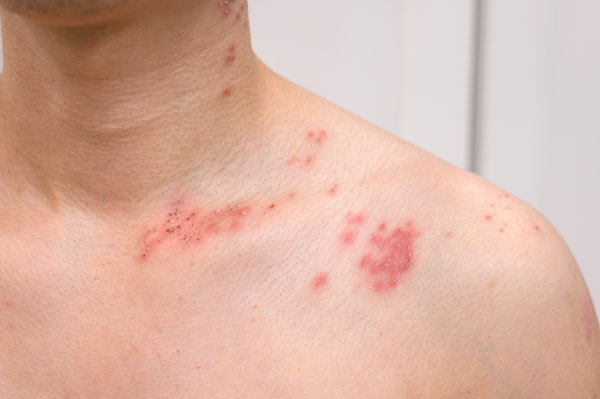
A shingles rash commonly appears as a band-like area of redness and fluid-filled blisters affecting one side of the body or face. The rash is often accompanied by pain or tenderness.
Persistent Pain After Rash Resolution
Some patients continue experiencing nerve pain even after the shingles rash heals. This condition, known as postherpetic neuralgia, may cause ongoing discomfort for weeks or months.
Facial Pain or Eye Involvement
When shingles affects facial nerves, symptoms may include facial pain, scalp sensitivity or discomfort around the eyes. Eye involvement should be medically assessed promptly.
Sleep Disturbance & Daily Discomfort
Persistent shingles pain may interfere with sleep, concentration and daily activities, particularly when symptoms are severe or triggered by routine movement and skin contact.
When To Assess
When Should Shingles Pain Be Medically Assessed?
Early medical assessment for shingles pain may help support timely treatment, symptom management and monitoring for possible complications. Persistent or worsening nerve-related symptoms may require further evaluation.
Pain Accompanied by a New Rash or Blisters
Burning pain, tingling or skin sensitivity followed by a blistering rash may suggest shingles infection and should be medically assessed, especially during the early stages.
Persistent Pain After the Rash Has Healed
Postherpetic neuralgia (PHN) is a long-term nerve complication defined by nerve pain that persists for months after a shingles rash clears. Early assessment is critical, as antiviral treatments are most effective when started within the first 72 hours of the rash appearing. However, if you miss this 72-hour window and continue to experience persistent pain, you should still consult a doctor for appropriate neuropathic pain management.
Facial Pain or Eye-Related Symptoms
Shingles affecting the face or eye region may increase the risk of complications involving vision or facial nerves. Symptoms affecting the eyes should receive prompt medical attention.
Severe Burning, Shooting or Nerve Pain
Intense nerve-related pain that interferes with sleep, movement or daily activities may benefit from medical evaluation and supportive pain management.
Numbness, Weakness or Increased Skin Sensitivity
Some patients develop significant skin sensitivity, numbness or nerve discomfort that worsens over time or becomes difficult to manage with self-care measures.
Symptoms in Older Adults or Individuals With Weakened Immunity
Older adults and individuals with weakened immune systems may have a higher risk of prolonged symptoms or complications associated with shingles and related nerve pain.


How We Assess
How Is Shingles Pain Assessed?
Assessment for shingles pain typically involves reviewing symptoms, examining the affected skin and evaluating possible nerve involvement. Early assessment may help identify active shingles infection, postherpetic neuralgia or related complications affecting daily function and comfort.
Review of Symptoms & Medical History
Doctors may assess when the pain started, whether a rash is present and how the symptoms affect daily activities. Previous history of chickenpox, shingles or existing medical conditions may also be reviewed.
Examination of the Skin Rash
The appearance and distribution of the shingles rash may help support diagnosis. Shingles commonly affects one side of the body or face along a specific nerve pathway.
Assessment of Nerve-Related Symptoms
Burning pain, tingling, numbness or heightened skin sensitivity may suggest nerve involvement associated with shingles or postherpetic neuralgia.
Evaluation of Facial or Eye Involvement
When shingles affects the facial nerves or eye region, further assessment may be required to monitor for complications involving vision or facial function.
Assessment of Persistent Postherpetic Neuralgia
For patients with long-term shingles pain after the rash heals, assessment may focus on the severity of nerve pain, skin sensitivity and the impact on sleep or daily activities.
Identifying Possible Complications
In some cases, additional evaluation may be needed to assess complications such as prolonged nerve pain, secondary skin infection or reduced mobility related to persistent discomfort.

Meet Our Shingles Pain Specialist in Singapore
Dr Ho Kok Yuen is a Consultant Pain Specialist and Anaesthesiologist at The Pain Clinic, with more than 25 years of experience in managing complex and chronic pain conditions. His qualifications include MBBS, MMed (Anaes), FAMS (Anaes), GDSM (Sports Med), and GDPM (Palliative Med), alongside international certifications in interventional pain practice and pain medicine.
His experience is particularly relevant to patients who continue to experience nerve-related pain after shingles. Assessment may focus on the location, severity, and persistence of pain before determining whether medication, nerve blocks, radiofrequency-based procedures, or other pain management approaches may be appropriate. These options may form part of herpes zoster treatment when ongoing nerve pain remains after the acute infection has settled.
Book a Consultation With Our Shingles Pain Specialist
Consult our pain specialist and discuss your symptoms and treatment options.
Our approach
Conservative Approaches for Shingles Pain Treatment
Shingles pain management often involves supportive care strategies aimed at reducing discomfort, supporting recovery and managing nerve-related symptoms. Treatment approaches may vary depending on the stage of infection, severity of pain and presence of postherpetic neuralgia.
Managing Nerve-Related Pain Symptoms
Persistent nerve pain after shingles may require longer-term symptom management approaches, including medications commonly used for neuropathic pain.
Antiviral Medications
Antiviral treatment is generally most effective when started within the first 72 hours after the shingles rash appears. Early medical assessment is therefore important, particularly for older adults or patients with more severe symptoms.
Pain Relief Medications
Doctors may recommend medications to help manage burning pain, nerve discomfort or skin sensitivity associated with shingles and postherpetic neuralgia.
Skin Care & Rash Management
Keeping the affected skin clean and protected may help reduce irritation and discomfort during the healing process. Loose clothing and gentle skin care measures may also help minimise sensitivity.
Managing Nerve-Related Pain Symptoms
Persistent nerve pain after shingles may require longer-term symptom management approaches, including medications commonly used for neuropathic pain.
Rest & Activity Modification
Fatigue and discomfort may affect daily activities during shingles recovery. Adequate rest and gradual return to normal activities may help support recovery and reduce symptom aggravation.
Monitoring Persistent or Worsening Symptoms
Patients experiencing persistent pain, facial involvement, worsening symptoms or significant skin sensitivity may require ongoing medical review and supportive care.

how we can help
Interventional Shingles Pain Management Options
For some patients with persistent or severe shingles-related nerve pain, interventional pain management techniques may be considered when conservative treatment does not provide sufficient symptom relief. These approaches are typically tailored to the location and severity of nerve involvement.
Nerve Blocks for Shingles Pain
Nerve block procedures may help manage shingles-related nerve pain by delivering medication around affected nerves to reduce inflammation and pain transmission.
Epidural Injections
In selected cases involving significant nerve-related pain, epidural injections may be considered to help manage inflammation and persistent discomfort associated with shingles or postherpetic neuralgia.
Radiofrequency Treatment
Radiofrequency-based procedures may sometimes be considered for chronic nerve pain symptoms affecting selected patients with persistent postherpetic neuralgia.
Image-Guided Pain Procedures
Interventional shingles pain procedures are commonly performed under imaging guidance, such as ultrasound or fluoroscopy, to support procedural accuracy and treatment planning.
Management of Postherpetic Neuralgia
Patients with long-term postherpetic neuralgia may require a combination of medications, supportive care and interventional pain management approaches depending on symptom severity.
Individualised Chronic Pain Management
Interventional treatment at a pain control clinic is typically considered as part of a broader chronic pain management plan, which may include medications and rehabilitation.
Long term pain management
Managing Shingles Pain Over the Long Term
Long-term management of shingles pain often focuses on controlling persistent nerve-related symptoms, improving daily comfort and supporting overall quality of life. While some patients recover fully after the shingles rash heals, others may continue experiencing postherpetic neuralgia, where nerve pain persists for months or longer.
Ongoing care may involve medications, supportive pain management strategies, activity modification and regular medical follow-up depending on the severity of symptoms. Monitoring for worsening pain, increased skin sensitivity or changes affecting sleep and daily activities may help support long-term symptom management and recovery.

Common questions
Frequently Asked Questions About Shingles Pain in Singapore
How do I know if my pain is from shingles?
Shingles pain usually starts as a burning or tingling sensation, followed by a rash. If you experience pain without a rash, it could be postherpetic neuralgia.
What can I do to reduce shingles pain at home?
Applying cool compresses, using pain relievers, and taking prescribed antiviral medications can help manage pain and speed up recovery.
Can shingles pain last even after the rash is gone?
If your rash has resolved but your pain persists, it could be postherpetic neuralgia.
Is there a cure for postherpetic neuralgia?
While there is no definitive cure, treatments such as medications, nerve blocks or even spinal cord stimulation can significantly reduce the pain.
Can getting the shingles vaccine prevent long-term pain?
Yes, the shingles vaccine can lower the risk of getting shingles and reduce the chances of developing postherpetic neuralgia if you do get infected.
How soon should I see a doctor if I think I have shingles?
Seek medical assessment as soon as possible if you develop a painful rash or blisters that may be shingles. Treatment is generally most effective when started within the first 72 hours after the rash appears, so early assessment can help guide timely care.
Is shingles contagious in Singapore?
Shingles itself is not passed directly from one person to another. However, someone with active shingles blisters can spread the varicella-zoster virus to a person who has never had chickenpox or received the chickenpox vaccine, causing chickenpox rather than shingles. The risk continues until the blisters have dried and crusted over.
Can shingles come back after you have had it once?
Yes. Shingles can recur because the varicella-zoster virus remains in the body after chickenpox and may reactivate again later in life.
Still have questions?
Reach us by phone, email, or WhatsApp. We typically respond within one business day.