- Condition
- Back Pain
Back Pain: Causes, Symptoms & Treatment Options
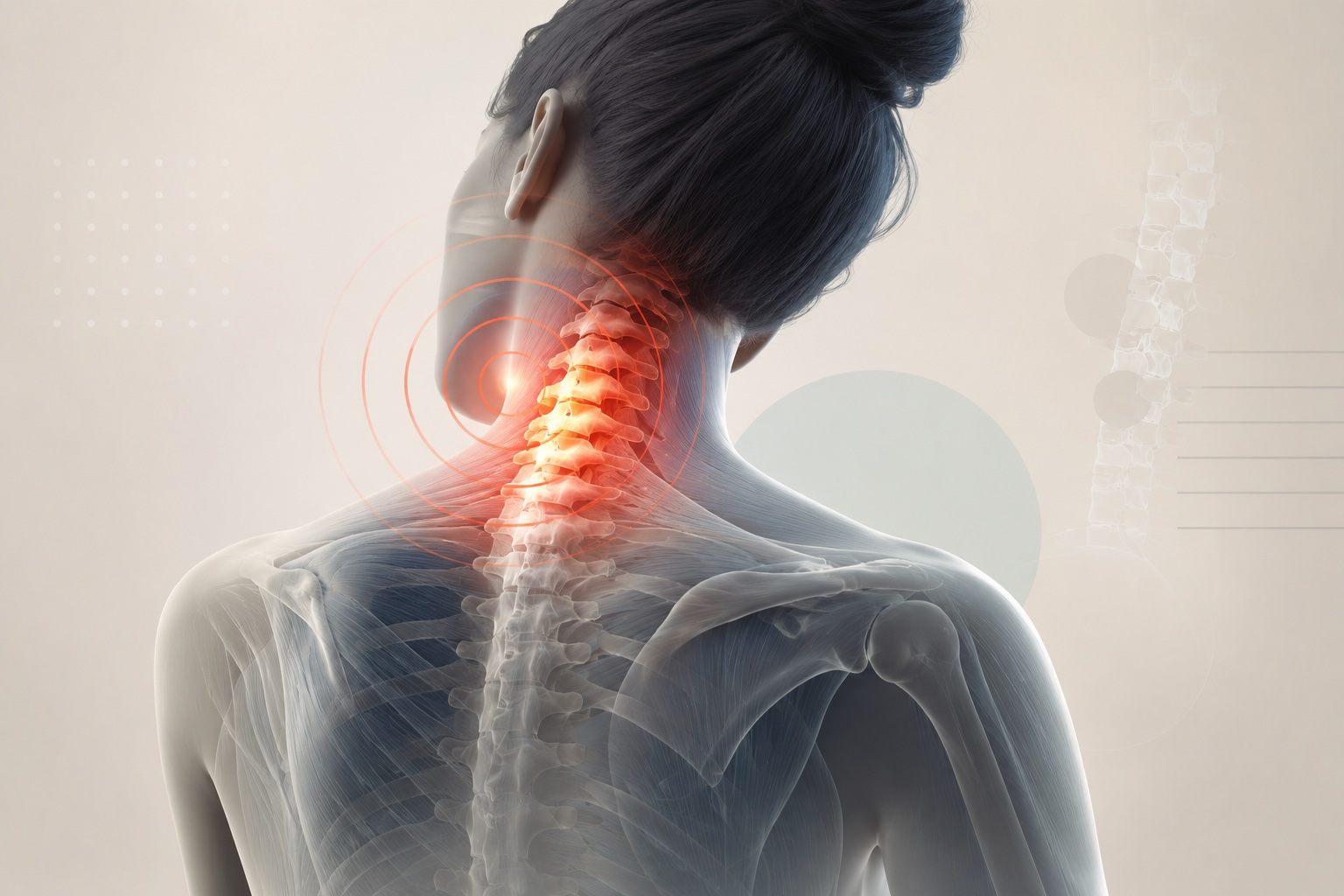
Back pain affects the upper, middle, or lower back, arising from strains, injuries, disc issues, or prolonged sitting. Symptoms range from stiffness and aching to reduced mobility and radiating nerve pain. Effective treatment depends on understanding the underlying cause. Therefore, we thoroughly assess your history and physical symptoms to create a tailored back pain treatment plan using conservative or advanced interventional pain management.

Concerned About Persistent Back Pain Symptoms?
Back pain affects the upper, middle, or lower back due to strains, disc issues, injuries, or nerve conditions. While some episodes improve with conservative care, pain that persists, recurs, or limits daily mobility warrants a medical assessment. Identifying the exact source of your symptoms is essential to guide appropriate back pain treatment.
Speak With Our Clinic
If persistent back pain disrupts your mobility, sleep, or daily activities, a medical assessment can identify contributing factors and guide suitable management options. Contact us today to schedule your consultation.
About Low Back Pain
How Is Back Pain Defined?
Back pain involves discomfort, aching, or stiffness in the upper, middle, or lower regions of the spine and surrounding structures. Depending on the underlying cause, this pain may remain localised or radiate to other areas of the body.
What Causes Back Pain?
Back pain stems from problems affecting muscles, ligaments, joints, spinal discs, or nerves, often triggered by strains, injuries, herniations, or nerve compression. Lifestyle and occupational habits, including prolonged sitting, poor ergonomics, repetitive lifting, and physical overuse, frequently contribute to or aggravate these conditions.
Muscle Strain & Soft Tissue Injuries
Muscle strains and soft tissue injuries occur when supporting back muscles, ligaments, or tendons are overstretched or overstressed. Activities like heavy lifting, repetitive movements, sudden twisting, or physical overuse frequently cause soreness, stiffness, muscle spasms, and movement-related back pain.
Slipped or Herniated Disc
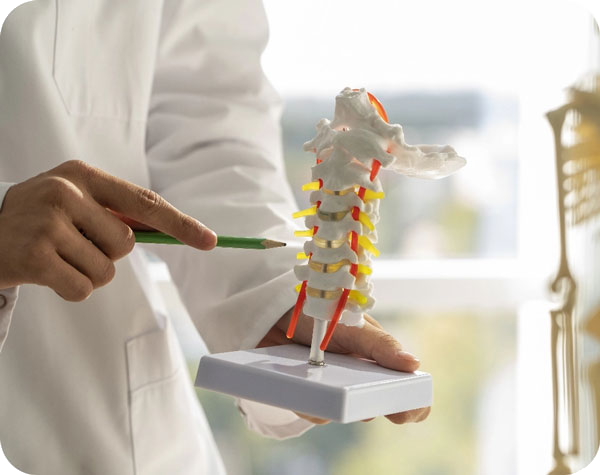
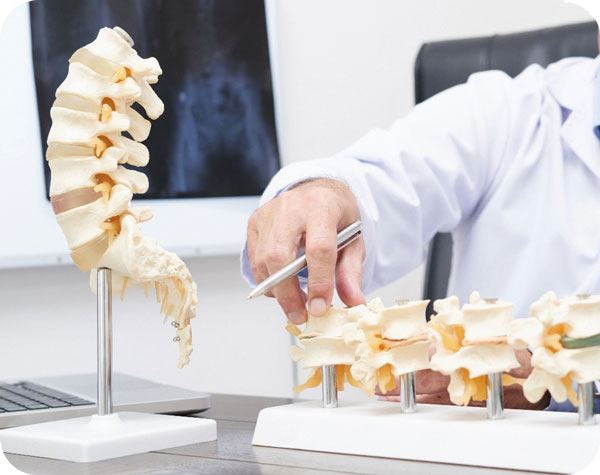
A slipped or herniated disc occurs when a spinal disc bulges or protrudes beyond its normal position. If the disc compresses a nearby nerve, it can cause back pain alongside radiating pain, numbness, tingling, or weakness in the limbs.
Spinal Stenosis
Spinal Stenosis
Spinal stenosis involves the narrowing of spinal spaces, which puts pressure on the spinal cord or nerve roots in the neck (cervical) or lower back (lumbar).
Symptoms include neck or back pain, numbness, tingling, and limb weakness, with lumbar stenosis often causing walking pain that eases with rest. Severe cases can cause progressive leg weakness or loss of bladder or bowel control, requiring immediate medical assessment.
Treatment ranges from medication and physiotherapy to epidural steroid injections, percutaneous disc decompression, or surgical evaluation for severe conditions.
Herniated Disc or Radiculopathy
Radiculopathy / Nerve-Related Back Pain
Radiculopathy occurs when a spinal nerve root becomes compressed or irritated by a slipped disc, bone spurs, thickened ligaments, cysts, or tumours.
Symptoms include sharp, radiating pain into an arm or leg, accompanied by tingling, numbness, weakness, or reduced sensation.
Treatment varies by severity, ranging from conservative medication, physiotherapy, and activity modification to minimally invasive interventions such as epidural steroid injections, nerve root blocks, pulsed radiofrequency, or percutaneous disc decompression. Severe cases will require surgical assessment and decompression.
Tailbone Pain (Coccydynia)
Coccydynia
Coccydynia is tailbone pain at the base of the spine, caused by falls, repetitive activities like cycling or rowing, childbirth, or body weight. The pain is localised and worsens with prolonged sitting, hard surfaces, or leaning backwards while seated.
Initial management involves reducing sitting time, using wedge or doughnut-shaped cushions, pelvic strengthening exercises, and medication. Persistent symptoms may be treated with steroid injections, nerve blocks, or radiofrequency ablation of the ganglion impar and pericoccygeal nerves. Surgical removal of the coccyx is rarely performed and does not guarantee pain relief.

Piriformis Syndrome
Piriformis Syndrome
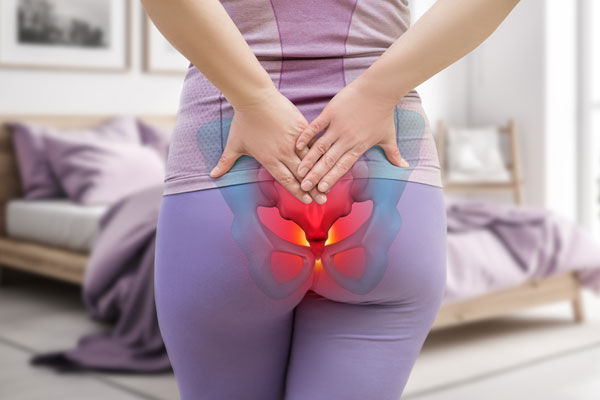
Piriformis syndrome occurs when the piriformis muscle, located deep within the buttock, irritates or compresses the sciatic nerve. Contributing factors include prolonged sitting, long-distance running, stair climbing, or muscle tightness.
Symptoms include aching or sharp buttock pain that radiates into the leg, sometimes accompanied by tingling, numbness, or weakness, and is aggravated by sitting, walking, or running.
Treatment involves rest, stretching, strengthening exercises, and medication, while persistent symptoms may be managed with ultrasound-guided local anaesthetic or Botulinum toxin injections into the muscle.
Facet Joint-Related Back Pain
Facet joints are small joints between your spinal bones that keep your back stable and help you move smoothly. Over time, these joints can become irritated, inflamed, or worn down, leading to localised back pain and stiffness. You will likely notice this discomfort most when you twist, bend backwards, or stand up for long periods.
Posture & Lifestyle Factors
Everyday habits like prolonged sitting, poor workstation ergonomics, and remaining stationary for extended periods place unnecessary strain on your back. Repetitive movements, limited physical activity, and weak core muscles also reduce the essential support your spine needs over time, making it easier to trigger or worsen back pain.
Muscle Strain & Soft Tissue Injuries
Back pain locations offer vital clues about the underlying cause, from upper back issues around the shoulder blades to middle back pain involving thoracic strains, and lower back pain impacting lumbar discs, joints, or nerves that can radiate down your legs.
Because appropriate back pain treatment depends on the affected region, a back pain specialist in Singapore can accurately assess your symptoms and pain patterns to build a targeted, effective management plan.
How Common Is Back Pain in Singapore?
Back pain is a common musculoskeletal issue in Singapore, with HealthHub noting that most people will experience low back pain at some point in their lives. It affects all age groups and stems from muscle strains, injuries, spinal conditions, or daily habits like prolonged sitting.
If your pain becomes persistent, recurs, or limits daily activities, consulting a back pain specialist in Singapore can help identify the root causes and determine the most appropriate management options.
How Does Back Pain Affect Your Daily Life?
Back pain can make everyday tasks like sitting at work, walking, bending, lifting, or exercising significantly harder while disrupting your sleep, limiting mobility, and stopping you from staying active. When these symptoms persist or worsen, professional back pain treatment shifts the focus toward managing your discomfort, restoring movement, and helping you fully participate in daily life again.
How Do Back Pain Symptoms Vary Between Individuals?
Back pain varies from person to person. Symptoms may include a localised dull ache, stiffness, tenderness, sharp pain, muscle spasms, or restricted movement. When spinal nerves are involved, symptoms can expand beyond the back to include sharp radiating pain, numbness, tingling, or weakness in your arms or legs.
Symptoms
Common Symptoms Associated With Back Pain
Dull, Aching or Sharp Back Pain
Back pain can manifest as a persistent dull ache, soreness, tightness, or a sharp discomfort triggered by specific movements. The exact sensation varies per person based on the affected spinal structures and underlying causes, with the pain either remaining localised or intensifying when you bend, lift, twist, or change positions.
Back Stiffness & Reduced Mobility
Back pain often comes with stiffness and a reduced range of motion, making it difficult to bend, twist, straighten your back, or move comfortably. These symptoms are usually more noticeable after prolonged sitting or inactivity and can significantly interfere with walking, exercise, and everyday movements.
Pain That Radiates to the Legs or Arms
Back pain travelling into an arm or leg may indicate a compressed or irritated spinal nerve, a condition known as radiculopathy. This sharp, shooting, or electric pain follows the nerve pathway and, depending on the severity, can occur alongside tingling, numbness, weakness, or reduced sensation in your limb.
Numbness, Tingling or Weakness
Numbness, tingling, weakness, or reduced sensation in your limbs can occur when a spinal nerve is irritated or compressed by a slipped disc. These neurological symptoms vary based on the specific nerve involved and the severity of the compression.
Muscle Tightness & Spasms
Some back pain is accompanied by muscle tightness, cramping, or involuntary spasms caused by strain, overuse, or injury. These symptoms make your back feel tense or tender, particularly during sudden movement or after remaining stationary for too long.
How we access
When Should Back Pain Be Medically Assessed?
Back Pain That Persists for Several Weeks
Back pain that persists for several weeks despite rest, activity modification, or self-care warrants a proper medical assessment. Persistent symptoms often indicate an underlying spinal, joint, muscular, or nerve condition that requires further clinical evaluation and a targeted management plan.
Pain Accompanied by Numbness or Tingling
Back pain accompanied by numbness, tingling, or altered sensations in the limb often indicates spinal nerve irritation or compression. A professional medical assessment is essential to locate the exact source of these nerve symptoms and determine if further diagnostic investigation or targeted treatment is required.
Difficulty Moving or Reduced Mobility
Back pain that makes it increasingly difficult to bend, stand, walk or perform normal movements may warrant medical assessment. Significant or worsening mobility limitations can indicate that pain is affecting spinal, muscular, joint or nerve function and may require further evaluation.
Back Pain Following an Accident or Injury
Back pain developing after a significant fall, accident, sports injury, or trauma requires professional medical assessment, especially if the pain is severe, persistent, or limits your movement. A prompt clinical evaluation helps identify underlying injuries to your spine, joints, or surrounding soft tissues and determines whether advanced diagnostic imaging or urgent care is necessary.
Pain That Radiates to the Legs or Arms
Persistent or worsening pain travelling from your back into an arm or leg typically indicates spinal nerve irritation or compression. A medical assessment can identify the exact source of this radiating pain, especially if it becomes more frequent, extends further down the limb, or occurs alongside other neurological symptoms.
Pain That Affects Sleep, Work or Daily Activities
Back pain warrants a professional medical assessment when it regularly disrupts your sleep, impairs your ability to work, or restricts everyday activities like walking, sitting, exercising, and household tasks. An increasing difficulty in carrying out your usual daily routine is a key indicator that further clinical evaluation and structured pain management are appropriate.
Back Pain With Bladder or Bowel Changes
Back pain accompanied by a new loss of bladder or bowel control, groin numbness, or progressive leg weakness requires urgent, immediate medical assessment. These symptoms indicate severe nerve compression in your lower spine (known as cauda equina syndrome) and constitute a medical emergency that must not be delayed for a routine review.


How Is Back Pain Assessed?
Medical History & Symptom Review
The assessment begins by analysing your back pain’s location, onset, severity, and frequency, along with the movements or activities that aggravate or alleviate the discomfort. Reviewing your relevant medical history, past injuries, existing health conditions, and previous interventions further helps identify key contributing factors to your pain.
Physical Examination of the Back & Spine
A physical examination evaluates your spine’s flexibility and range of motion while identifying areas of tenderness, muscle tightness, or movement-triggered pain. If nerve involvement is suspected, your muscle strength, reflexes, and sensation will be tested to pinpoint potential neurological issues.
Assessment for Nerve-Related Symptoms
When back pain is accompanied by radiating pain, numbness, tingling, weakness, or reduced sensation in a limb, the assessment focuses closely on potential spinal nerve involvement. Your muscle strength, reflexes, sensation, and symptom distribution will be evaluated to determine if a nerve root is actively compressed or irritated, as typically seen in radiculopathy.
Imaging Tests Such as X-Rays or MRI
Imaging tests are not necessary for every back pain case. Depending on your symptoms, medical history, and physical examination findings, an X-ray, MRI, or other imaging test may be required to investigate potential structural issues in your bones, spinal discs, joints, or nerves and guide further treatment planning.
Evaluation of Chronic or Recurring Back Pain
Back pain that persists or recurs repeatedly requires a comprehensive evaluation to determine why your symptoms continue. This assessment involves reviewing changes in your pain patterns, previous treatments and their outcomes, evaluating functional limitations, and identifying any underlying spinal, muscular, joint, or nerve-related factors driving your ongoing discomfort.
Identifying Possible Underlying Conditions
Back pain assessment focuses on identifying the specific anatomical structures or conditions causing your symptoms rather than measuring pain intensity alone. By correlating findings from your medical history, physical examination, and advanced diagnostic investigations, a back pain specialist can differentiate between muscular, joint, disc, spinal, or nerve-related causes to guide an accurate treatment plan.

Meet Our Back Pain Specialist in Singapore
Dr Ho Kok Yuen is a Consultant Pain Specialist and Anaesthesiologist at The Pain Clinic, specialising in chronic and spinal pain management. His extensive credentials include MBBS, MMed (Anaes), FAMS (Anaes), GDSM (Sports Med), GDPM (Palliative Med), FIPP (World Institute of Pain), ESRA-DPM, and EFIC EDPM.
As a back pain specialist in Singapore, Dr Ho thoroughly evaluates spinal pain stemming from disc conditions, nerve compression, and musculoskeletal issues, utilising his experience in interventional pain management to design treatment plans ranging from conservative care to minimally invasive procedures.
Patients seeking a back pain doctor will receive a personalised assessment to pinpoint the exact source of their discomfort and establish the most effective treatment options.
Book a Consultation With Our Back Pain Specialist
If persistent or recurring back pain is affecting your mobility, sleep or daily activities, a specialist assessment can help identify possible causes and guide appropriate management. Book a consultation with our back pain specialist, or learn more about us.
Conservative Approaches for Back Pain Treatment
Conservative back pain treatment is tailored to the root cause, severity, duration, and functional impact of your symptoms. Depending on your circumstances, the plan may include medication, physiotherapy, targeted exercises, and activity modification to reduce discomfort while restoring mobility and daily function.
Activity Modification & Postural Adjustment
Temporarily modifying activities that aggravate back pain reduces unnecessary spinal strain while keeping you safely active. Making vital postural and ergonomic adjustments, such as optimising your sitting position, workstation setup, and lifting techniques, further minimises repetitive stress on your back during work and everyday routines.
Physiotherapy & Targeted Exercises
Physiotherapy plays an essential role in conservative back pain management by directly improving your movement, flexibility, strength, and physical function. When appropriate, targeted stretching and core-strengthening exercises are customised to enhance your spinal support, restore full mobility, and help you safely and gradually return to your usual daily activities.
Pain Relief Medications
Pain relief medications can help manage back pain and support movement while the underlying condition is being addressed. The specific type of medication and duration of use depend on the cause and severity of your symptoms, which should always be guided by a healthcare professional, especially if your pain is persistent or you have other existing medical conditions.
Heat Therapy & Supportive Self-Care Measures
Heat therapy can effectively ease muscle tightness and stiffness associated with certain types of back pain. Other supportive self-care measures include engaging in gentle movement, avoiding activities that aggravate your symptoms, and taking regular breaks from prolonged sitting, though these approaches should always be adjusted based on the specific cause and severity of your condition.
Managing Workplace & Lifestyle Factors
Workplace and lifestyle habits strongly influence how often back pain is aggravated throughout the day. Optimising your desk and chair setup, avoiding prolonged sitting, changing positions regularly, and taking frequent movement breaks significantly reduces repetitive spinal strain. Over the longer term, maintaining regular physical activity and using proper lifting or carrying techniques are vital to supporting lasting back health.
Monitoring Persistent or Worsening Symptoms
Back pain that does not improve with conservative management, continues to recur or becomes progressively worse may require professional reassessment. Reviewing how symptoms have changed and how you have responded to treatment can help determine whether further investigation or adjustments to your management plan are appropriate.

Common questions
Before you book
What are the common causes of low back pain?
Low back pain can be caused by muscle strain, herniated discs, spinal stenosis, arthritis, poor posture, or underlying medical conditions affecting the spine and nerves.
How can I prevent low back pain?
Maintaining good posture, staying active, strengthening core muscles, avoiding prolonged sitting, and using proper lifting techniques can help prevent low back pain.
How is low back pain diagnosed?
A physical examination, along with imaging tests such as X-rays, MRI, or CT scans, helps identify underlying causes such as disc degeneration, nerve compression, or muscle imbalances.
What treatments are available for low back pain?
Depending on the cause, treatments include physical therapy, medications, lifestyle modifications, nerve blocks, or minimally invasive procedures to alleviate pain and improve function.
Why does my lower back hurt more in the morning?
Sleeping positions, an unsupportive mattress, and inflammation can contribute to morning back pain. Stretching and choosing an ergonomic sleeping position may help alleviate discomfort.
Still have questions?
Reach us by phone, email, or WhatsApp. We typically respond within one business day.
how we can help
Interventional Back Pain Management Options
Back pain that fails to improve with conservative management, recurs continuously, or worsens progressively requires a clinical reassessment. Reviewing changes in your symptom patterns and your response to previous treatments helps determine whether further diagnostic tests or adjustments to your pain management plan are appropriate.
Epidural Steroid Injections
Epidural steroid injections deliver anti-inflammatory medication directly into the epidural space around spinal nerves to reduce inflammation and pain. This targeted intervention is typically considered when back pain involves nerve irritation or compression, slipped discs, or spinal stenosis.
Facet Joint Injections
Facet joint injections target the small stabilisation joints between your spinal bones that frequently cause localised back pain and structural stiffness. These injections are used when clinical assessment indicates a facet joint issue, serving both as a treatment to ease discomfort and a diagnostic tool to confirm the exact source of your pain.
Medial Branch Blocks & Radiofrequency Treatment
Medial branch blocks temporarily anesthetise the tiny nerves carrying pain signals from the facet joints to determine their role in your persistent back pain. If these diagnostic blocks provide significant relief, radiofrequency treatment can then be used to precisely interrupt those nerve signals, providing longer-term pain reduction.
Trigger Point Injections
Trigger point injections target painful, knotted bands of muscle tissue that cause localised muscular pain and severe spasms. Injecting medication directly into these hyperirritable spots helps relax the muscle fibres.
Image-Guided Interventional Procedures
Advanced interventional procedures utilise precise imaging guidance, such as ultrasound or X-rays, to ensure the pain specialist accurately targets the specific spinal joint, nerve root, or tissue structure. The chosen technique depends entirely on your symptoms and clinical diagnostic findings.
Individualised Chronic Back Pain Management
Chronic back pain is complex and often involves multiple spinal structures, meaning a single interventional treatment cannot work for everyone. An effective, individualised management plan seamlessly combines targeted procedures with medication, physiotherapy, and core exercises.
Long-term pain management
Managing Back Pain Over the Long Term
Managing back pain over time requires proactive care rather than just responding to sudden flare-ups. Staying active, optimising workplace ergonomics, limiting prolonged sitting, and consistently following your personalised back pain treatment plan, including prescribed exercises and therapies, significantly reduces repetitive spinal strain. Because spinal conditions evolve, monitoring recurring, persistent, or worsening symptoms through regular clinical reassessments allows for timely treatment adjustments that protect your long-term mobility and daily function.

Common questions
Frequently Asked Questions About Back Pain in Singapore
Back pain often raises practical questions about staying active, working comfortably, and knowing when ongoing symptoms require further clinical attention. The FAQs below address common considerations regarding daily activities, workplace and lifestyle modifications, adherence to your back pain treatment plan, and how to effectively monitor persistent, recurring, or changing spinal pain.
Why does my back pain keep coming back even after I rest?
Rest only provides temporary symptomatic relief without resolving the root cause of your discomfort. Recurring back pain is typically driven by persistent factors like repetitive spinal strain, deconditioned core muscles, poor workplace ergonomics, or underlying structural issues within your spinal joints, discs, or nerves. Effective back pain treatment must target both immediate pain relief and these long-term contributing factors.
Can sitting at a desk or having poor posture cause chronic back pain?
Prolonged sitting and a poor workstation setup place continuous, asymmetrical strain on your spine, which can lead to chronic tissue inflammation and pain. To mitigate these daily mechanical stresses, you should regularly change positions, implement ergonomic workstation adjustments, and maintain consistent, spine-supportive physical activity.
How do I know when back pain might be serious?
Back pain requires a medical assessment if it progressively worsens, persists for several weeks, or significantly impairs your daily mobility and function. It becomes a medical emergency requiring immediate evaluation if it occurs after significant physical trauma or is accompanied by progressive limb weakness, loss of bladder or bowel control, groin numbness, or an unexplained fever.
Why do I have numbness or tingling with my back pain?
Numbness and tingling are neurological symptoms that occur when a spinal nerve root becomes compressed or inflamed. Depending on the specific nerve affected, these sensations can radiate far beyond your back, travelling directly into your arms or legs, with weakness or sensory loss.
What is the difference between upper back pain and lower back pain?
Upper back pain generally affects the thoracic region and surrounding muscles and joints, while lower back pain involves the lumbar region. Different structures can contribute to pain in each area, and lower back conditions involving spinal nerves may also produce symptoms that extend into the legs.
How will a doctor find out what is causing persistent back pain?
Assessment usually begins with your medical history, symptoms and a physical examination. The doctor may assess spinal movement, tenderness, strength, sensation and reflexes depending on your symptoms. Imaging or other investigations may be considered when the clinical findings indicate that further evaluation is needed.
Do I always need an X-ray or MRI for back pain?
No. Many cases of back pain do not require imaging. An X-ray, MRI or another investigation may be recommended depending on how long symptoms have lasted, examination findings, suspected underlying conditions and whether there are signs that require further investigation.
What treatments are available if my back pain becomes chronic?
Chronic back pain can be managed in different ways depending on its cause, severity and impact on daily life. Back pain treatment may include physiotherapy, targeted exercises, medication, activity modification and ergonomic changes. Interventional procedures may also be considered for selected patients when a specific pain source has been identified.
When might I need injections or other procedures for back pain?
Injections or other interventional procedures may be considered when symptoms remain persistent despite conservative management and assessment identifies a suitable pain source. Depending on the condition, options can include epidural steroid injections, facet joint injections, medial branch blocks or radiofrequency treatment. The appropriate procedure depends on individual clinical findings.
When should I make an appointment with a back pain doctor?
Consider seeing a back pain doctor if your symptoms persist, repeatedly return, worsen or begin interfering with sleep, work, mobility or everyday activities. Assessment by a back pain specialist in Singapore may also be appropriate if you have nerve-related symptoms or have not improved with previous treatment.
Still have questions?
Reach us by phone, email, or WhatsApp. We typically respond within one business day.