
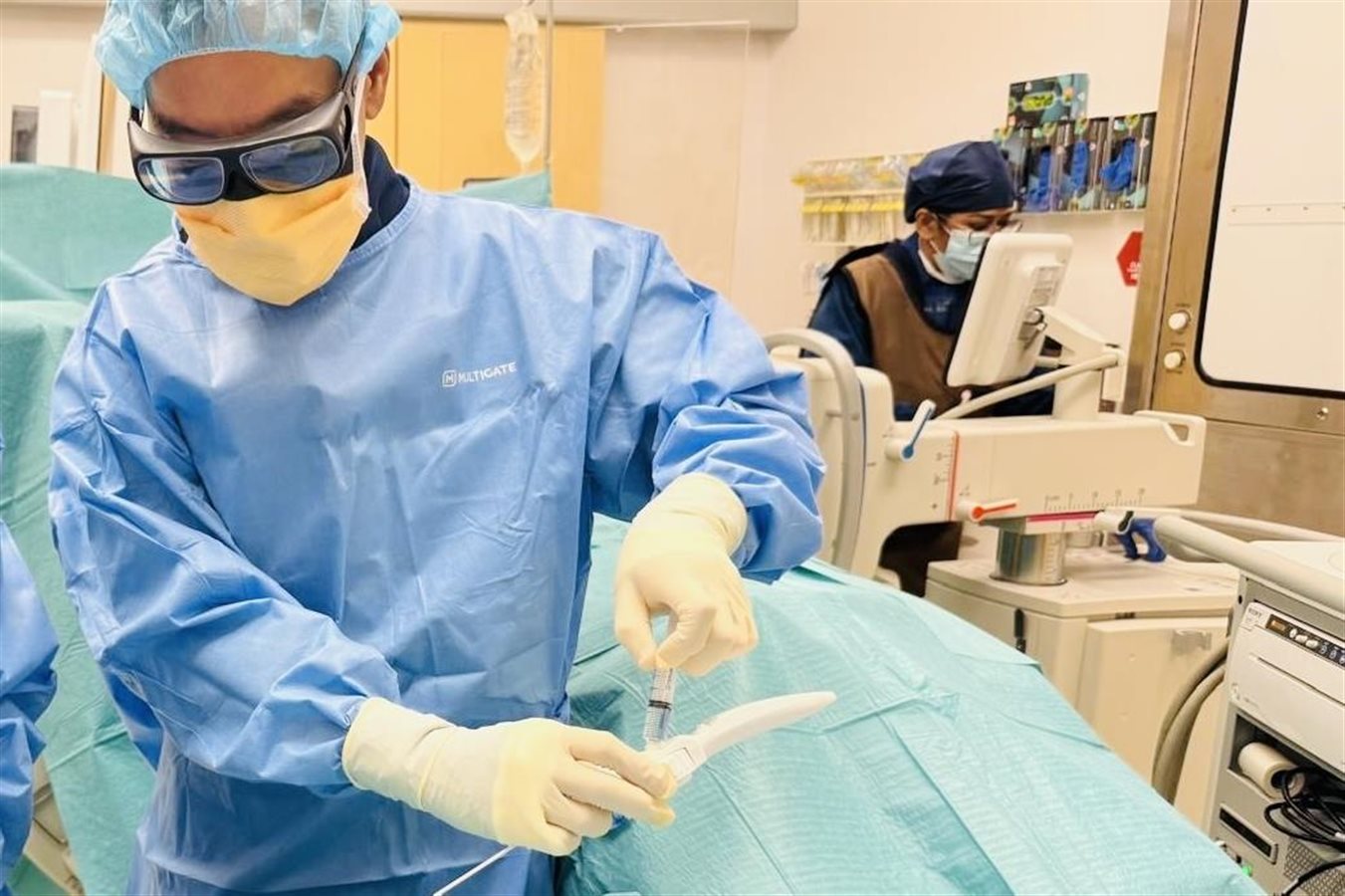
Many patients live with pain longer than they should, often unsure whether their symptoms require specialist care.
Dr Ho Kok Yuen explains when pain should be evaluated by a pain specialist and how early intervention can improve outcomes.
Persistent Pain is NOT Normal
Pain is common, but persistent pain is not normal. As a general guide, you should consider seeing a pain specialist if:
- Pain lasts more than 3 months
- Pain limits daily activities, sleep, or work
- Pain persists despite medication or physiotherapy
- You experience nerve-related symptoms such as burning, tingling, or shooting pain
- Pain follows surgery, injury, or cancer treatment
What is the Role of the Pain Specialist?
A pain specialist focuses on identifying the underlying pain mechanism, not just suppressing symptoms. This may include musculoskeletal, neuropathic, inflammatory, centrally mediated pain or cancer pain.
Early specialist assessment allows for:
- Accurate diagnosis
- Targeted treatment
- Reduced risk of chronic pain sensitisation
- Better functional recovery
Do Not Delay
If pain is affecting your quality of life, seeking specialist input early can prevent long-term disability and unnecessary suffering.
Dr Ho Kok Yuen is a consultant pain specialist in Singapore with a clinical focus on interventional pain management for chronic cancer and non-cancer pain conditions.